Go Nature
Shopping
Go Nature Shopping
For years, going shopping was associated with acquiring objects. Today that idea turns around as many people begin to search for another kind of consumption. A slower, more emotional one. Not about material goods, but sensory ones.
And nature appears as one of the few spaces capable of offering it. Like a contemporary mall, but for the mind. The new shopping haul is going in search of silence, perspective, textures, spaces. Not just to disconnect, but to come back with something inside.
Because every landscape leaves us a different sensation: a color that stays, an atmosphere, an idea, a different way of perceiving time. Nature becomes then a place of sensitive collection — an archive of feeling.
- 01 Portable Solitude ↓
- 02 Collecting Horizons ↓
- 03 The Human Scale ↓
- — Artists & References ↓
Portable Solitude
The search for isolation without disconnection
Outdoor culture was never just about escaping society for the sake of it. Rather, it was about creating temporal distance. A space to reconnect with oneself. To step away from excess stimulation and see things from another perspective. Or simply to feel the scale and presence of the natural world again.
A tent. A trail. A forest. A lake. A mountain. Small systems of isolation that connect. Today, amid all the unconscious overstimulation, the outdoors becomes a form of mental reset. A way to escape the logic of interfaces, constant notifications, and digital noise. Not as total disconnection, but as intentional, temporary distance in order to reconnect stronger.
Gorpcore
The "gorpcore" aesthetic was trending 9 years ago now, but its essence remains. In short, it's an aesthetic that transforms technical outdoor clothing into everyday, cultural fashion. The name derives from the word "gorp," slang for "trail mix" (a mix of nuts and dried fruit eaten as a snack in mountain sports).
What connects gorpcore to this Portable Solitude isn't the clothing itself, but what the clothing declares. When someone wears technical pants or trekking shoes in the city, they're not saying "I went to the mountain." They're saying "I could go to the mountain, but I choose to bring the mountain here."
Gorpcore democratized the solitude of the mountain. You no longer need to go to the Himalayas to belong to that culture of silence and presence. You put on the technical jacket on the subway and some of that intentional distance activates anyway.
"Gorpcore is the solitude you didn't get to take, but still needed to wear."


Arc'teryx — Tune In Out There
"Far away from the daily hustle, the mountains ask for presence. They let us break free from the noise and find pure connection — with nature, with each other, and with ourselves. Tune in out there."
What's interesting about this campaign isn't what it shows, but what it inverts. Arc'teryx takes the digital gesture "Tune in" and redirects it outward. Going outside isn't disconnecting. It's the only true way to tune in.


The visual codes of Portable Solitude are born from a low-impact aesthetic. Colors that don't seek to draw attention but to disappear into the landscape.
The palette is built from moss greens, stone grays, earth browns, mists, and desaturated tones that convey calm, permanence, and silence. The textures and materials reinforce this idea of functional shelter, accompanying the experience rather than taking center stage.


In the photography, human presence appears discreetly. Without poses and without performance. It's not about portraying people, but mental states. The image documents a moment of pause, contemplation, or conscious distance.
More than showing adventure, these images show a contemporary form of luxury: finding a place to listen to yourself.


Collecting Horizons
Nature: a sensory archive
People save landscapes for a reason that goes beyond memory. Because certain views, lights, and atmospheres leave something inside. A texture. A color. A sense of scale. A different way of perceiving time. And even though we often can't explain it, we keep accumulating these moments.
Not just to remember the place, but to preserve what that place made us feel. And to use it in our favor, when we can't access that place. Nature then becomes a space for emotional and visual gathering. An archive of sensibility. Because sometimes traveling isn't about escaping, but about coming back with something new inside.
Kodak & The Disposable Camera
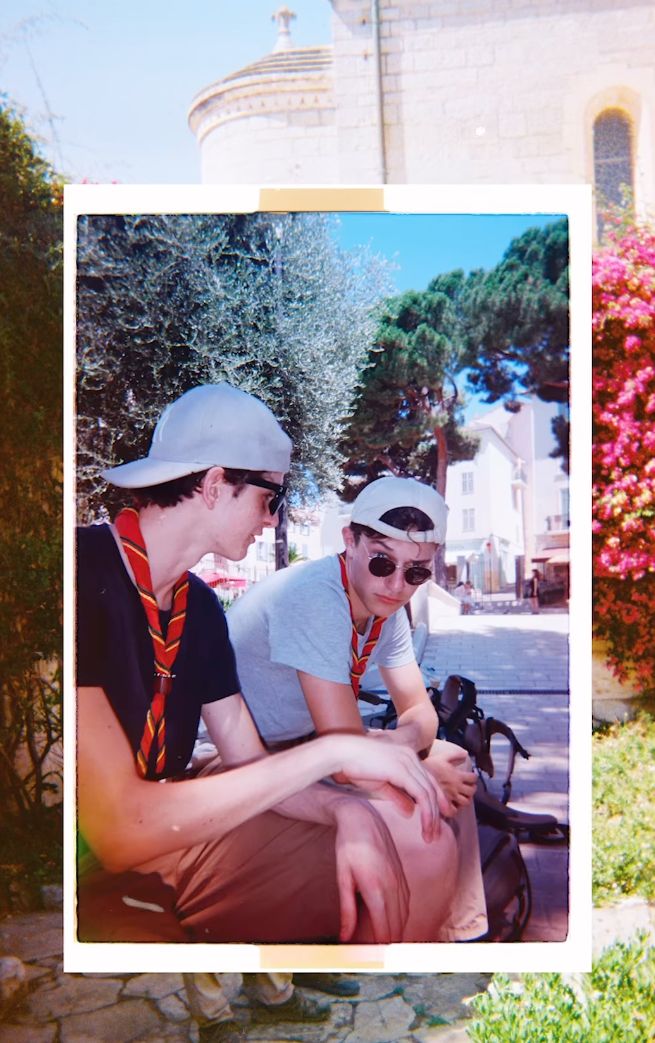
There's something analog photography understood before any other technology: that scarcity generates attention. With 27 available frames, you can't photograph everything, you have to choose. And in that choice lies the act of collecting. Where each shot is a way of saying: this matters.
That's exactly what Collecting Horizons proposes. It's not about capturing everything you see, but about coming back with something inside.
And what started as a personal practice became brand language. Today, experiences, events, restaurants, and brands hand out disposable cameras to their guests so that you capture what truly matters.


Never Just a Hike — The North Face
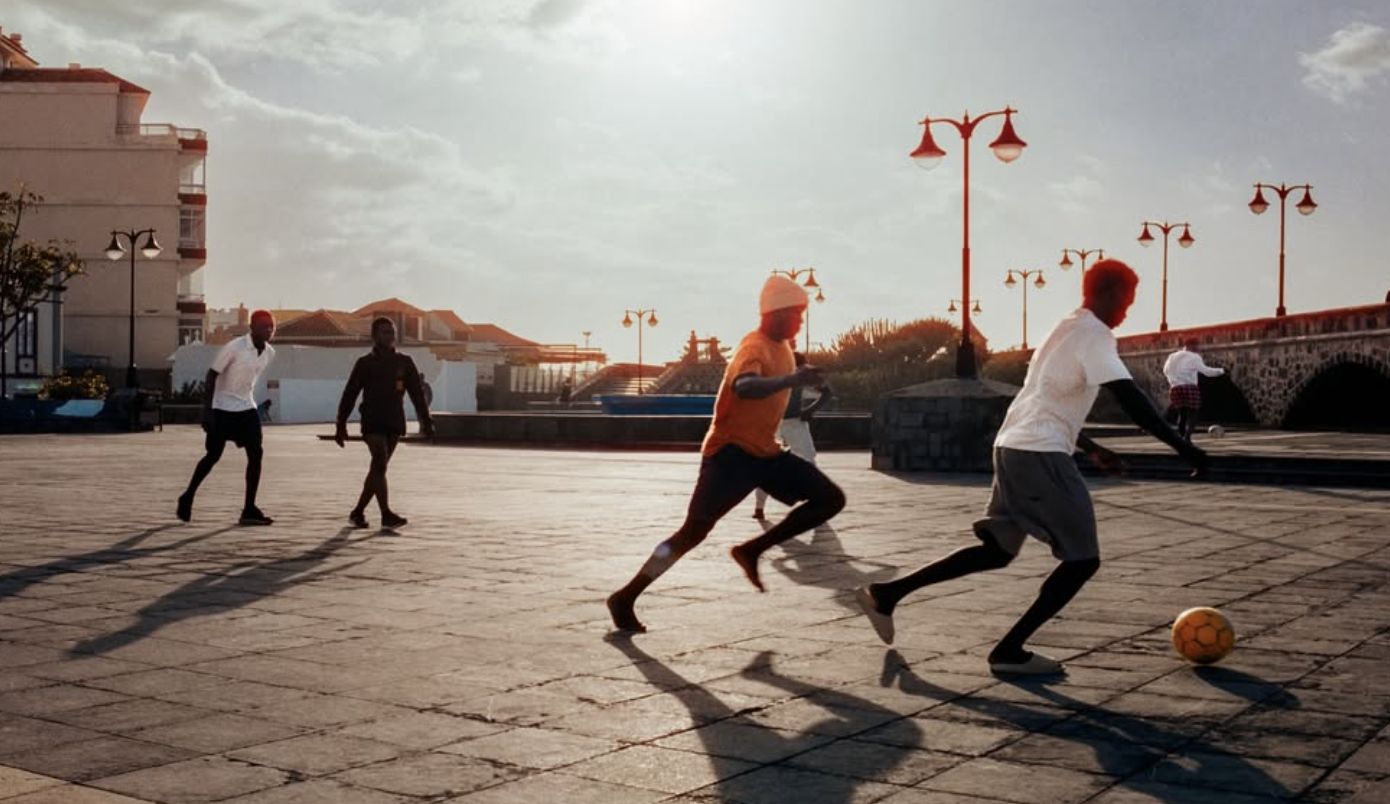
The campaign's manifesto insists that a hike is never just a hike. It's an accumulation of sensations, conditions, emotions, and moments that end up transforming whoever experiences it. The experience is valuable for what it leaves behind, not for the trek itself.
youtube.com/watch?v=Yd5CHtqGQhE →
Inside The North Face Marketing Campaign 'Never Just a Hike': How SS26 Turned Hiking Into Storytelling.
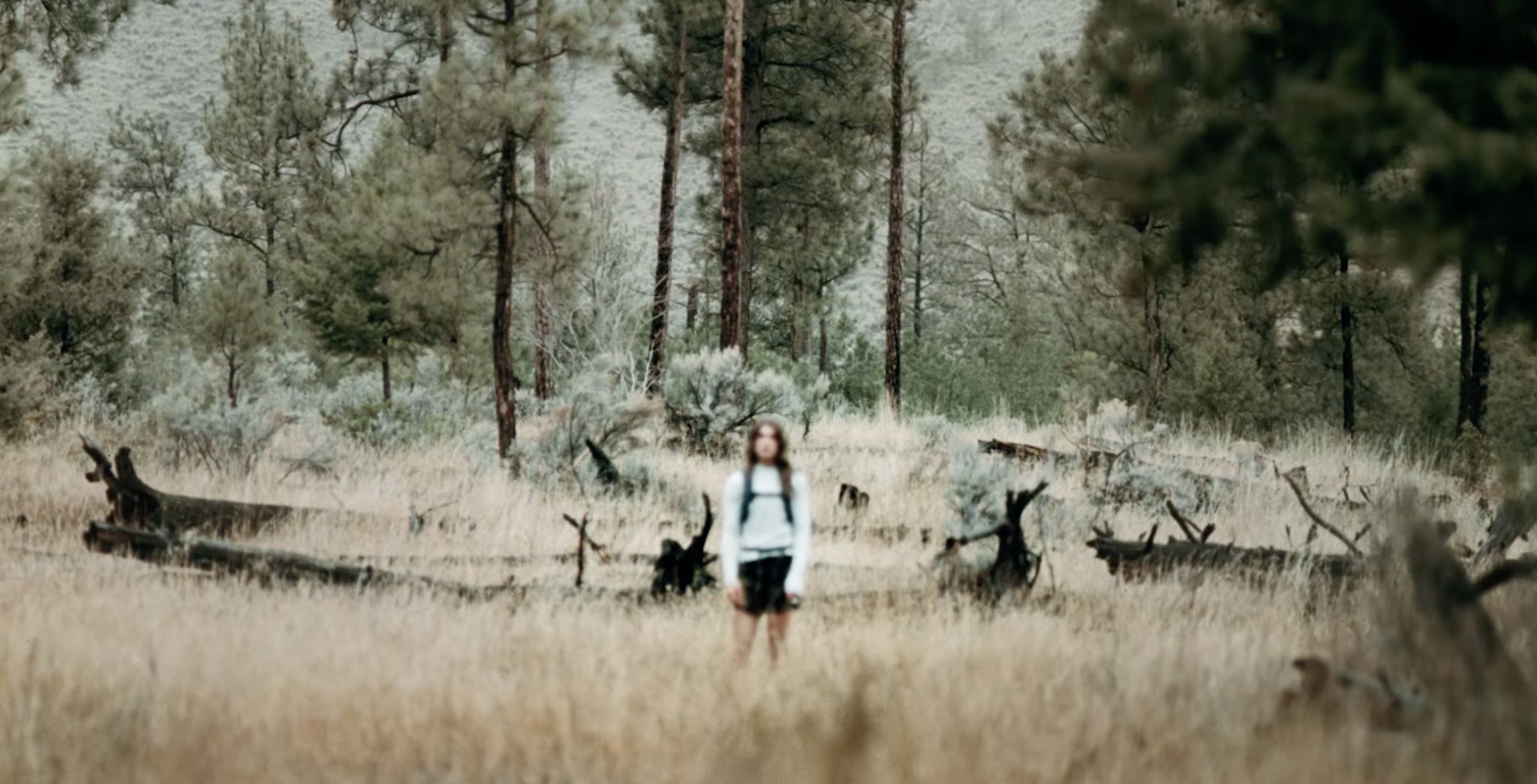
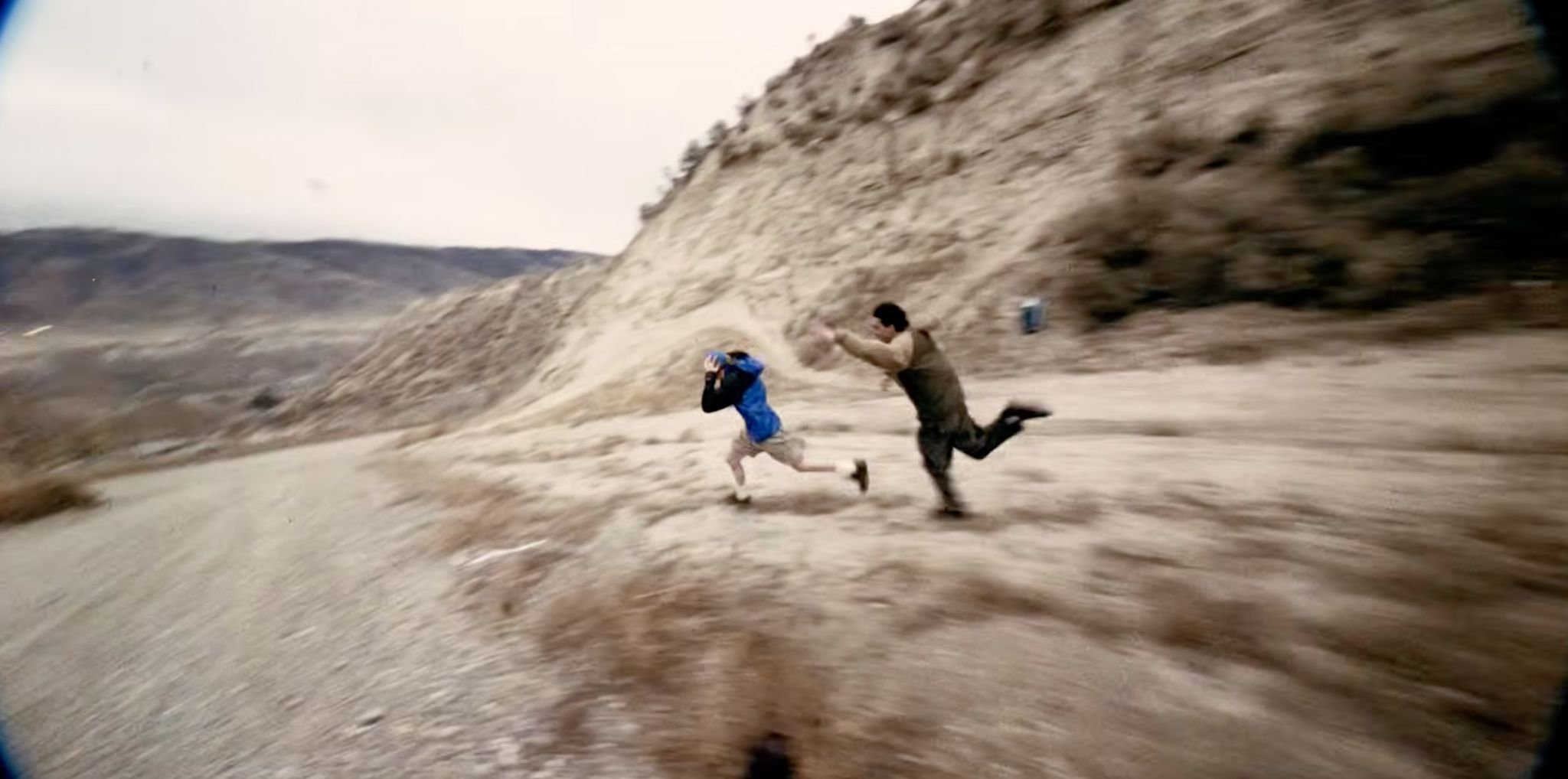


This palette is built from atmospheric phenomena rather than physical elements. These aren't colors associated with objects or materials, but with moments that exist for only a few minutes before disappearing.
The textures are ethereal and hard to define. Reflections, low clouds, and diffuse light that constantly transform the landscape. The combination ends up generating an aesthetic where what matters isn't the place itself, but the emotional imprint it leaves behind.


In Collecting Horizons' visual direction, framing tends to expand toward open horizons, wide skies, and landscapes where the composition becomes simple and silent, allowing weather, distance, and depth to build the narrative.
Photography adopts the logic of a vehicle, transporting us to an emotion even when the landscape is no longer present.


The Human Scale
Nature reminds us of proportion
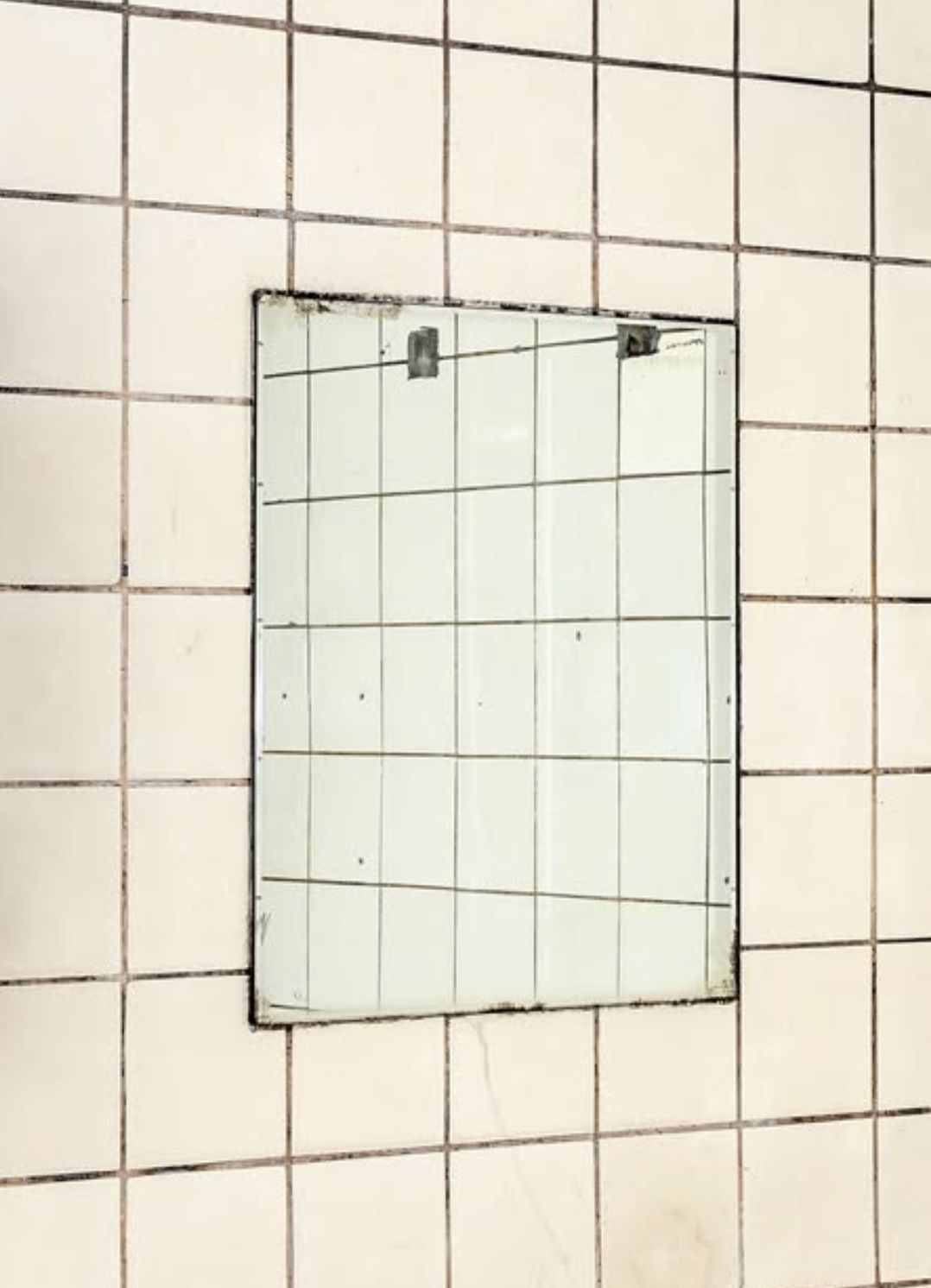
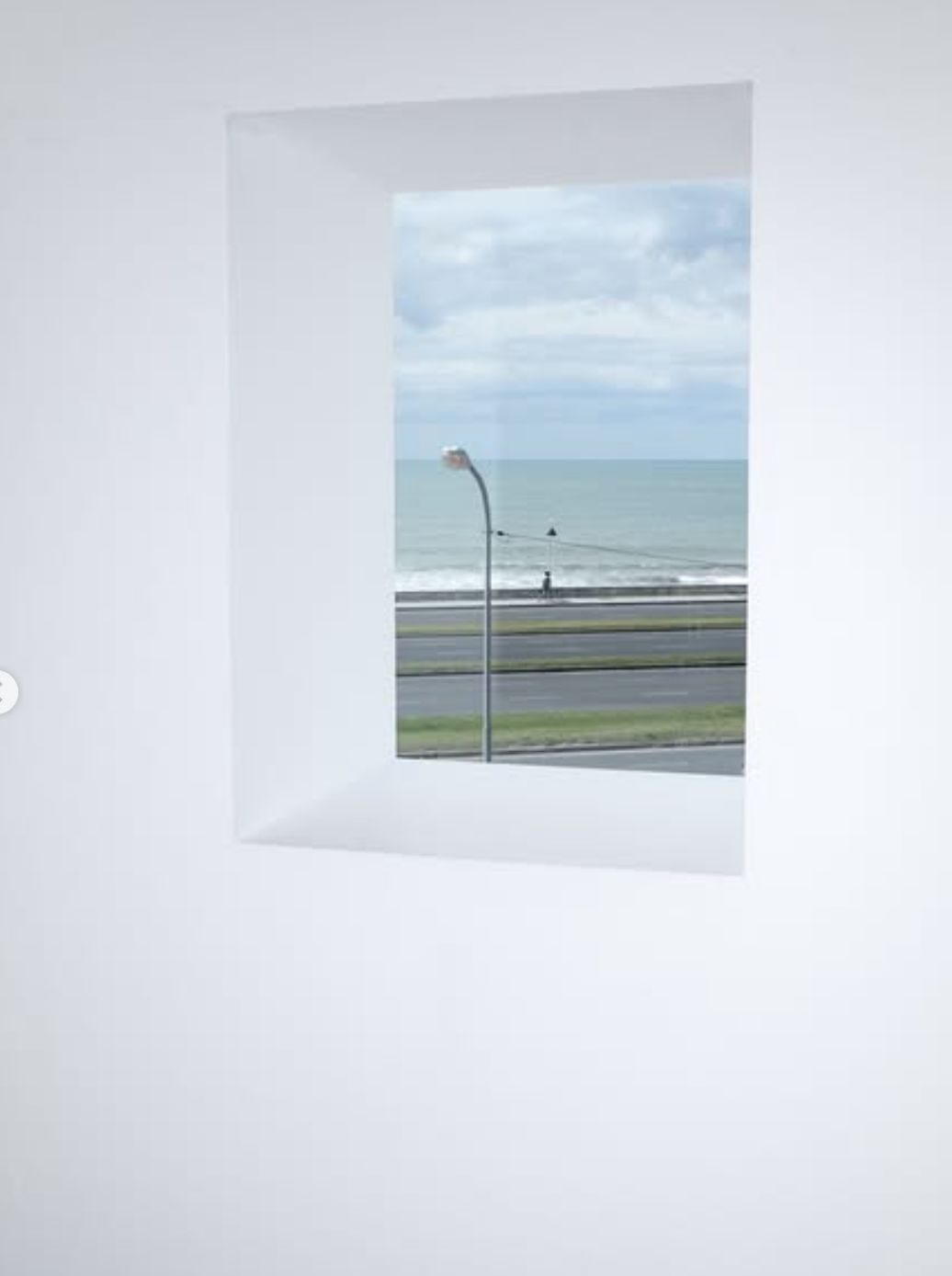
Today, most of our vision barely reaches a few meters ahead. Houses, buildings, screens, and cables constantly block our gaze. And maybe that's why we feel such a strong need to seek out vast spaces. A horizon. An open sky. A mountain that never ends.
But vastness alone isn't enough. Because we always return. To the room, to the city, to the screen. And in that return lies the key. Open and confined spaces aren't enemies, they are the rhythm. Confinement gives focus. Vastness gives perspective. And it's in the oscillation between the two that something inside becomes regulated. The one who learns to inhabit confinement carries vastness within.
Headspace — National Park Foundation
This campaign creates a collection of meditations and experiences set in national parks like Yosemite, Joshua Tree, or Zion. Here, nature is used to regain perspective; the parks don't function as tourist backdrops but as tools for shifting mental state.
The creative concept, "Experience Mindful Wonders," proposes that the vastness of the landscape is a way of shifting the scale of thought.


DeLonghi — Tiny Coffee Shops
Although most coffee is consumed at home, consumers think the best coffee is out there, elsewhere. That's why De'Longhi sets out to prove that quality coffee can be found inside our homes too.


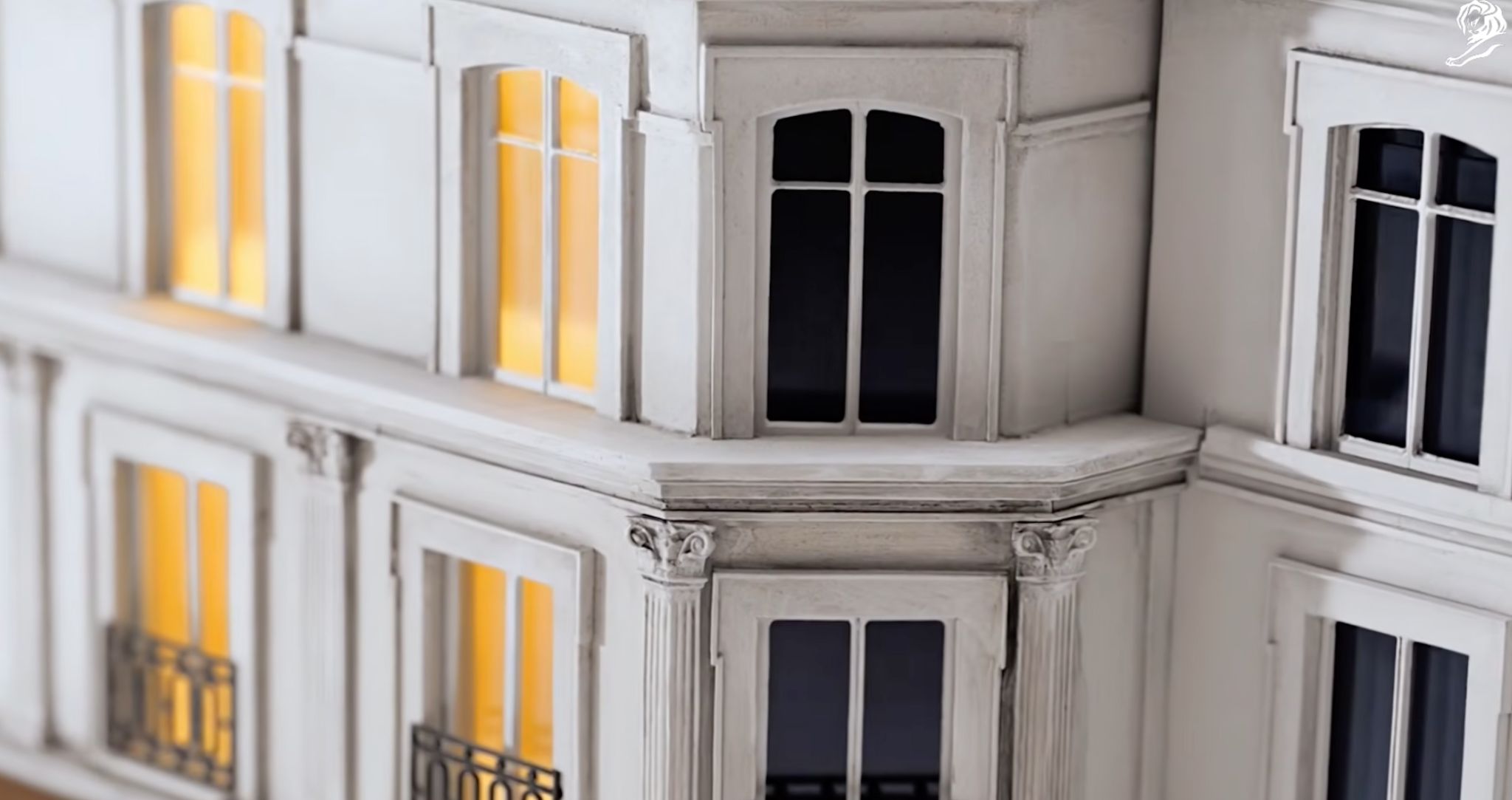

The visual identity of The Human Scale emerges from the tension between two worlds: the spaces we build to inhabit and the spaces that exist far beyond our scale. The palette attempts to evoke the expanded perception of space that contrasts with the visual density of urban life.
The textures reinforce this dialogue between the human and the geological. Concrete, glass, metal, and worked surfaces coexist with rock, wet earth, bark, and moving water. Materials produced at human scale against materials shaped over centuries.


Here, compositions tend to emphasize distance, and immensity appears as a tool to relocate the observer within something larger. Human presence may appear to highlight the difference in scale between the individual and the environment. It's not about showing adventure or conquest, but about capturing the moment when a person confronts something that exceeds their usual measure of the world.
Visually, these images oscillate between containment and openness. Between enclosed spaces that concentrate attention and open landscapes that expand perception.