Believing In
Design
Design that builds meaning
We are living in the most rational and technological era in history. And, paradoxically, we are witnessing a return to the spiritual. Not as dogma, but as a cultural tool to navigate uncertainty.
Design absorbs this movement, translating what culture needs to express. The 21st century does not eliminate the need to believe, it displaces it. Making what's interesting not only that design adopts the spiritual as an aesthetic, but that it begins to believe in its own symbolic capacity.
Believing in Design is the moment when design recognizes that it doesn't just organize information, it doesn't just beautify, it doesn't just optimize. It builds meaning.
- 01 Aesthetic Messiah ↓
- 02 Identity as Devotion ↓
- 03 Symbol Over Function ↓
- 04 Grasping Onto Hope ↓
- 05 Tangible Faith ↓
- 06 Awake The Inner Order ↓
Aesthetic
Messiah
In an era of structural uncertainty, design returns to producing figures of revelation. Not necessarily religious, but treated with a logic of visual sanctity. The subject is not only a protagonist, but a manifestation. We see founders, artists, and brands represented as higher entities.
But the phenomenon is not limited to the figure. It also lives in the atmosphere. It's not about idolizing, but about building visual faith by condensing a dose of hope into an image. The messiah is not the person, it is the symbolic system that surrounds them. Therefore, we don't believe in the figure. We believe in the atmosphere that makes it transcendental.
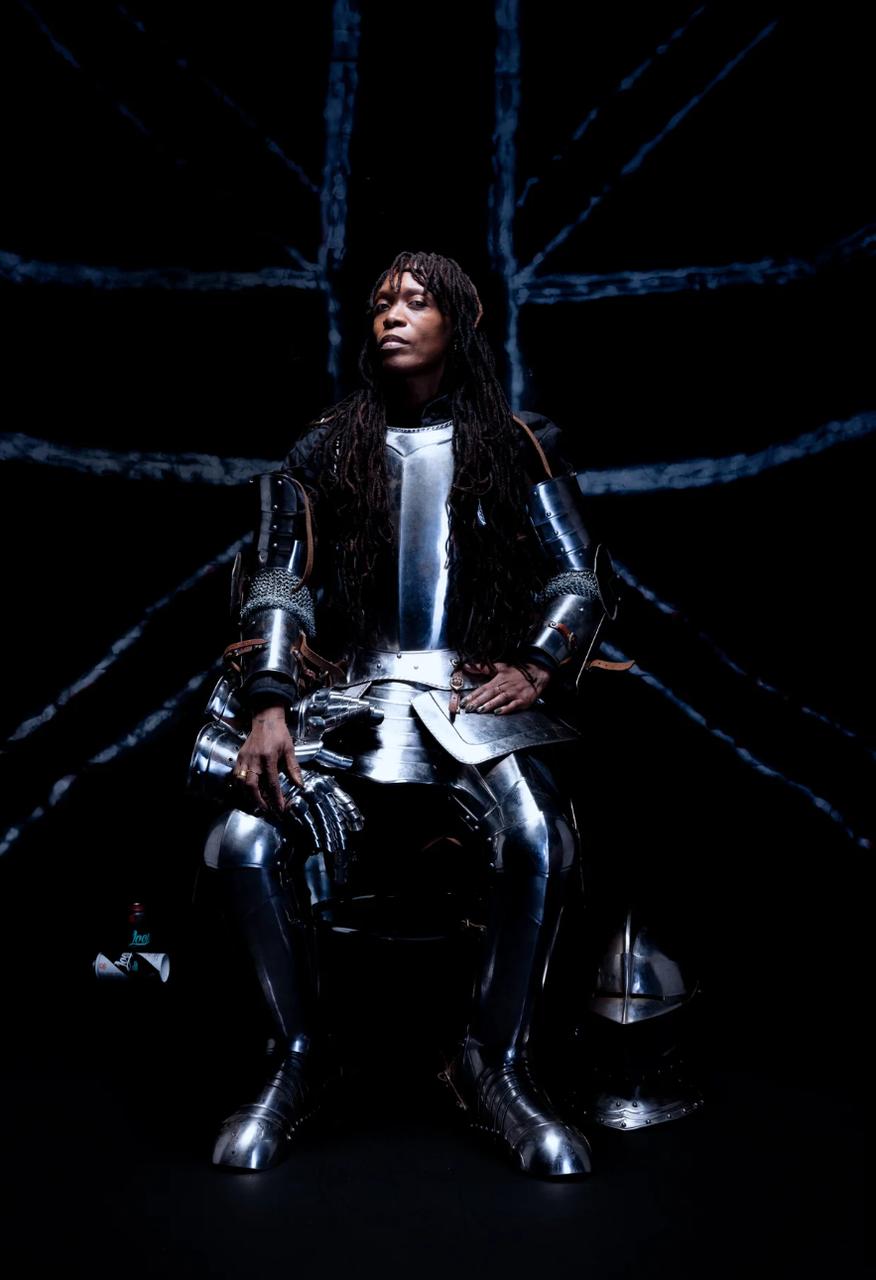


- The construction of aura as a design system: light, scale, framing, context communicate transcendence
- Centrality and elevation of the subject: figures placed at the center, elevated, or isolated, they dominate the scene
- Blending of the sacred and the contemporary: religious references coexist with current codes in fashion, digital interfaces, sci-fi aesthetics
- Epic atmospheres and states of revelation: open landscapes, abstract or empty scenarios create a context where images feel like memories, not data
Identity as
Devotion
Faith is also cultural identity. Within spiritual and religious figures, some images carry extraordinary symbolic power, worn not always as a devotional gesture, but as a statement of identity. The image stops belonging exclusively to the spiritual realm and begins to inhabit the territory of culture.
Wearing a sacred symbol can mean many things at once: faith, heritage, cultural pride, or belonging. In this case, fashion doesn't borrow the symbol. It activates it. It turns a sacred image into a contemporary language of identity. Because in many cultures, faith was never only spiritual. It was also a way of saying who we are.


- Religious iconography in everyday circulation, traditionally sacred images integrated into everyday objects, moving from the altar to the street without losing symbolic intensity
- Recontextualization through styling, the combination with contemporary garments updates the symbol and places it within current cultural codes
- Ornament with cultural weight: embroidery, prints, and details act as carriers of history, tradition, and belonging
- A blend of tradition and contemporaneity, digital and illustrative aesthetics coexist with historical iconography
Symbol Over
Function
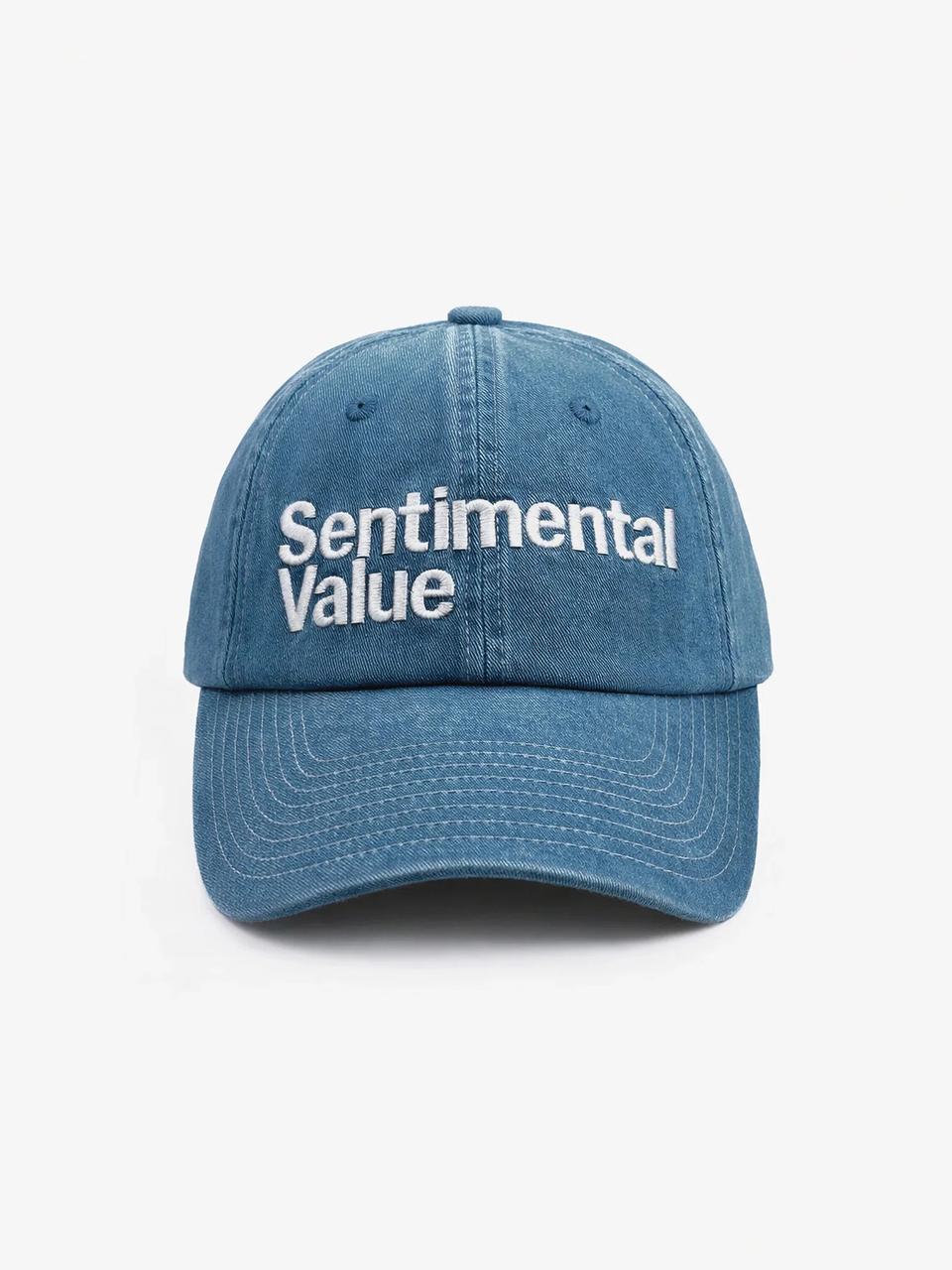
When design believes in itself, it stops asking permission to be symbolic. Symbol Over Function describes a visual approach where meaning takes precedence over usability, where the emblem, the mark, the gesture communicates first, and informs second.
This is not anti-functionality. It's a hierarchy shift: the symbol earns the right to occupy space not because it serves a purpose, but because it carries meaning. Logos designed to be worn as badges of belief. Typography that communicates attitude before content. Visual systems that speak to identity before they speak to function.


- The logo as a belief system: marks that people choose to identify with, not just recognize
- Typography as attitude: the form of the word communicates before its content is read
- The emblem as cultural currency: worn, displayed, shared as a statement of belonging
Grasping Onto
Hope
In times of collective anxiety, visual culture reaches for images of hope, care, and communal warmth. Grasping Onto Hope describes an aesthetic that finds its power in tenderness: outstretched hands, embracing figures, collective gestures, and the visual language of mutual support.
This is not naive optimism. It's the hope of people who understand the difficulty of the present and choose, deliberately, to reach toward something better. The aesthetic is warm, physical, present, deliberately human in response to an increasingly automated world.




- Tenderness as a political and aesthetic act, choosing warmth in a climate of anxiety
- The human body, hands, gestures, touch, as the primary visual unit of communication
- Community over individuality: visual languages that center collective experience
Tangible
Faith
Tangible Faith explores the visual translation of spiritual experience into physical form: the ritual object, the sacred space, the devotional image, the votive offering. This trend draws on the material culture of faith across traditions: votive candles, painted icons, ex-votos, mandalas, prayer beads, and the visual architectures of sacred space.
The tangible dimension is key. In a digital age defined by the immaterial, Tangible Faith asserts the power of the physical object to carry meaning. The handmade votive. The worn rosary. The incense-stained altar cloth. These objects communicate through their materiality as much as their imagery.


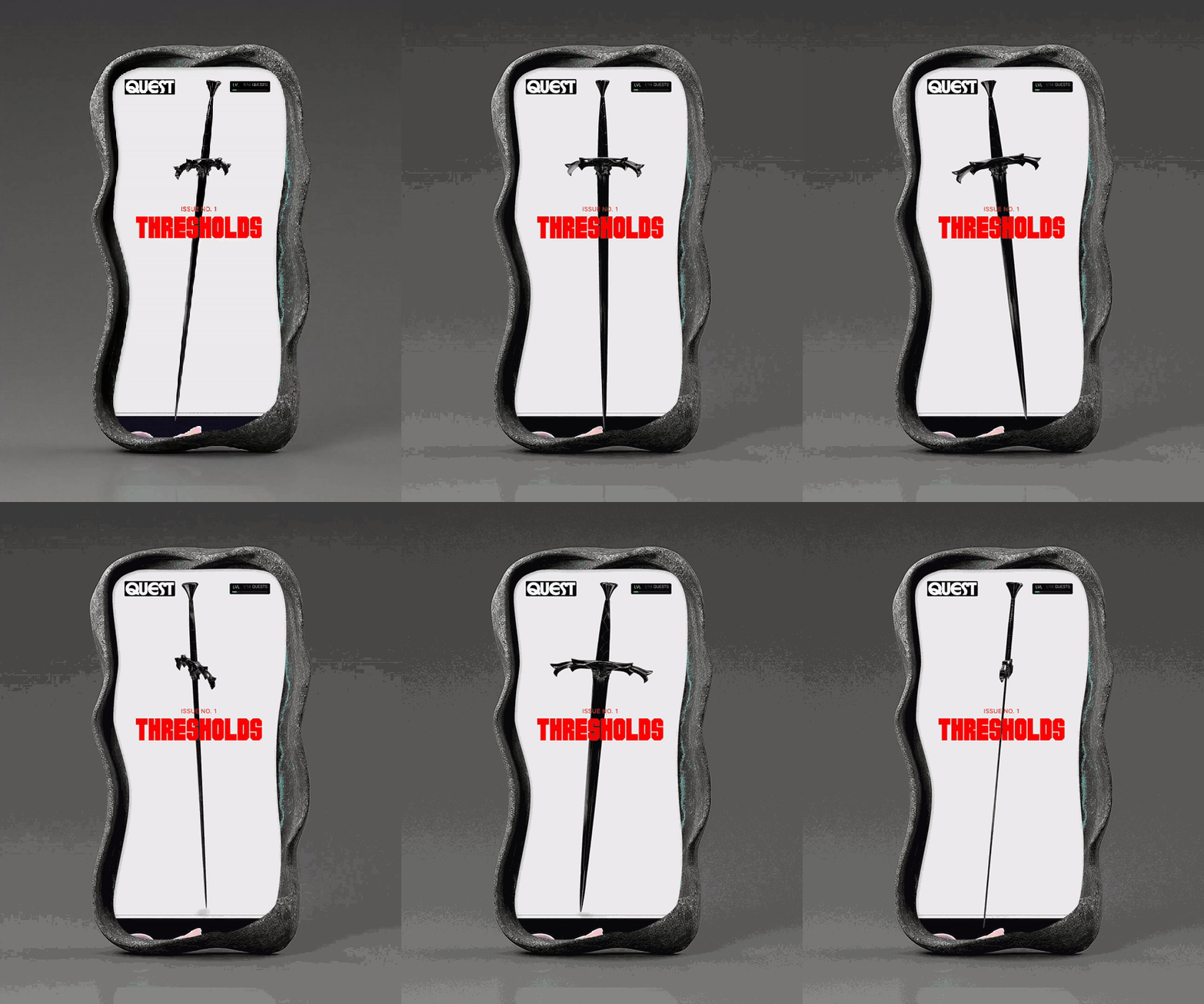


- The sacred object as design inspiration, ritual and devotional forms translated into contemporary visual language
- Materiality as meaning, worn, touched, and time-marked surfaces communicate devotion through their physical state
- Cross-cultural spiritual aesthetics: the visual vocabulary of faith transcends individual traditions
Awake The
Inner Order
Awake The Inner Order describes a design aesthetic built around systems of internal logic, visual languages that feel governed by deep, consistent principles that are sensed before they are understood. Sacred geometry, mathematical sequences, grid systems derived from nature, and the architectural logic of contemplative spaces provide the structural foundation.
The 'inner order' is felt rather than read. The viewer senses a rightness, a harmony, a systematic intelligence beneath the surface of the composition. This is design as a form of meditation: the construction of visual environments that create calm through their underlying coherence.





- Sacred geometry and mathematical sequences as design infrastructure, the invisible grid that makes everything feel right
- Visual harmony as an emotional experience, order perceived below the threshold of conscious analysis
- Contemplative space as a design model: the logic of the cloister, the temple, the meditation hall applied to contemporary visual communication