Surrealism
By Speed
When the future arrives before the present can settle
When the future arrives before the present can settle, reality begins to blur. Every frame, every light, every pixel moves ahead of us, creating a world that feels dreamlike. Not because it's fantasy, but because it's too fast to be real.
The result is a surrealism born not from dreams, but from speed. Technology moves faster than reality can materialize, and imagination becomes the only language capable of keeping pace. When progress outstrips what the physical world can build, aesthetics drift toward the surreal.
- 01 Synthetic Dreams ↓
- 02 Kinetic Legibility ↓
- 03 Clinical Space ↓
- 04 Radiation Poetry ↓
- 05 Intrusive Imagination ↓
Synthetic
Dreams
Synthetic Dreams explores a new sensory plane between the human and the artificial: images that might not exist in reality, yet feel strangely familiar. An aesthetic born from the poetic collision of digital precision, dreamlike atmospheres, and human sensitivity, where we encounter visions that seem dreamed by a machine.
This concept emerges as a response to acceleration. Technology moves faster than reality can materialize, and imagination becomes the only language capable of keeping pace. Synthetic Dreams becomes a territory where reality is not represented. It is reinterpreted and dreamt forward.
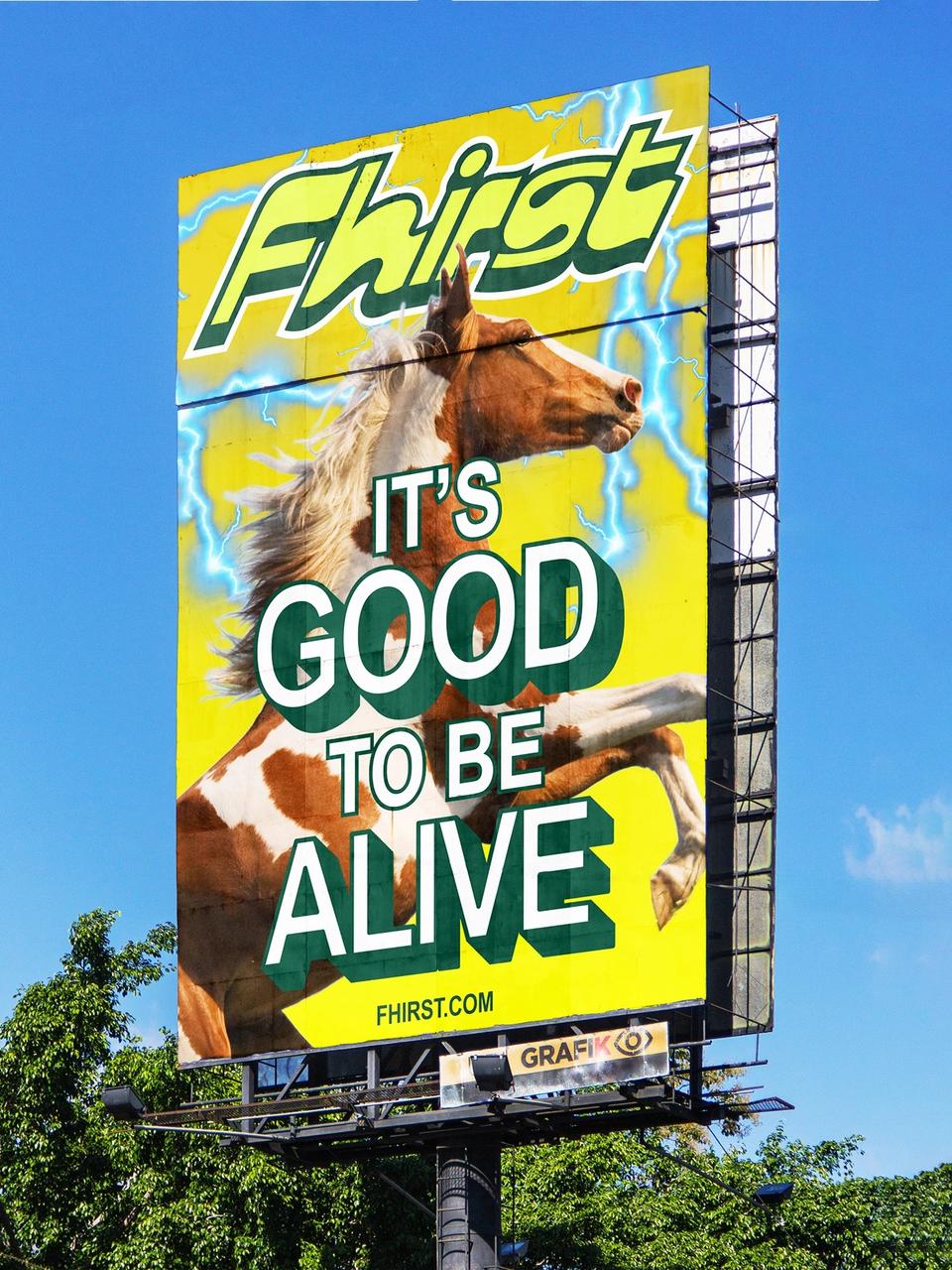





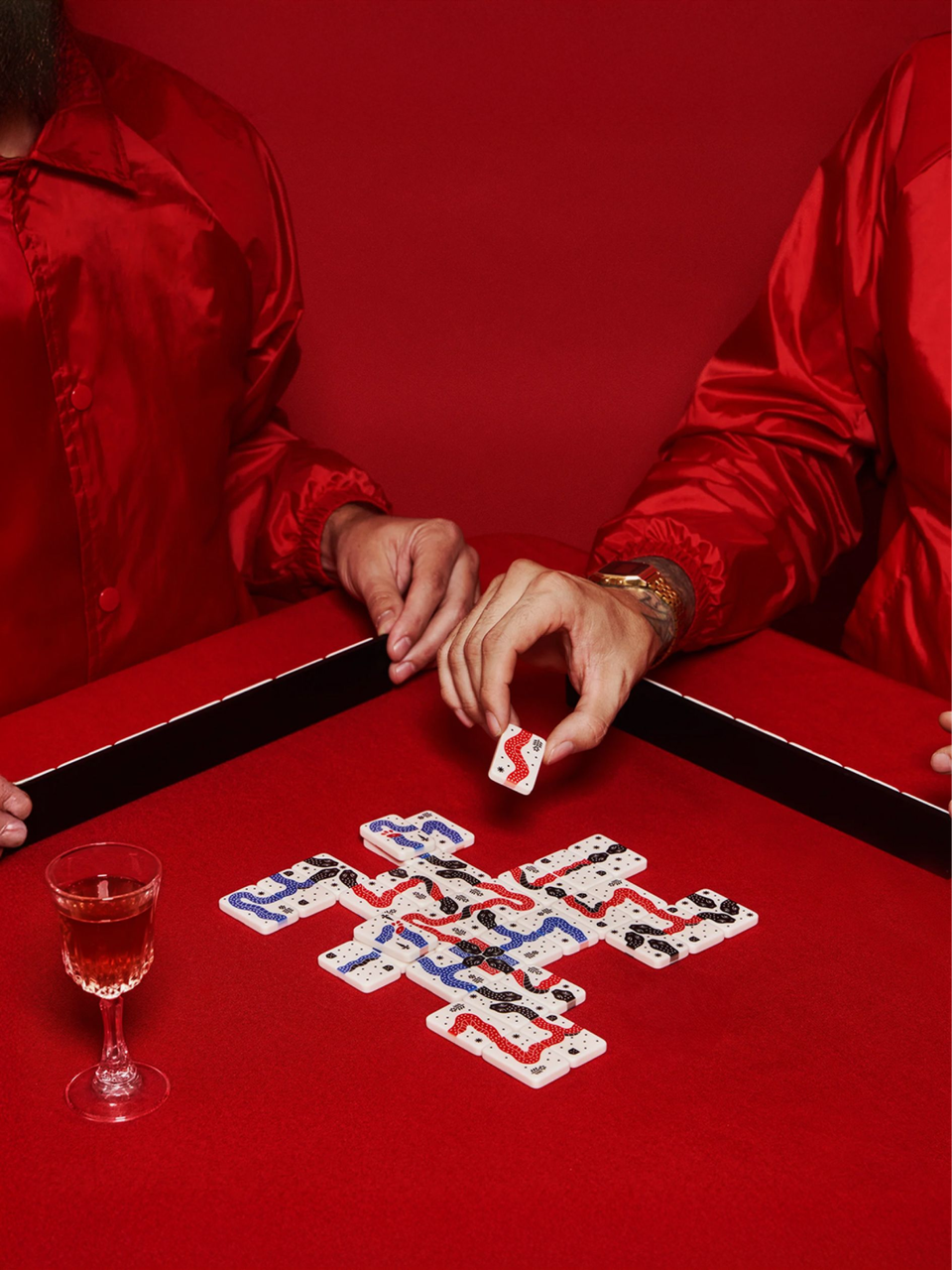


- Blends renders, dreamlike atmospheres, soft glitches, and narrative lighting, technology becomes a tool for building emotional climate, not displaying technical power
- Technical perfection no longer amazes; the strange and sensitive does
- The synthetic stops being cold or rigid, it turns organic, soft, emotional, emerging is the idea of 'the believable yet impossible'
Kinetic
Legibility
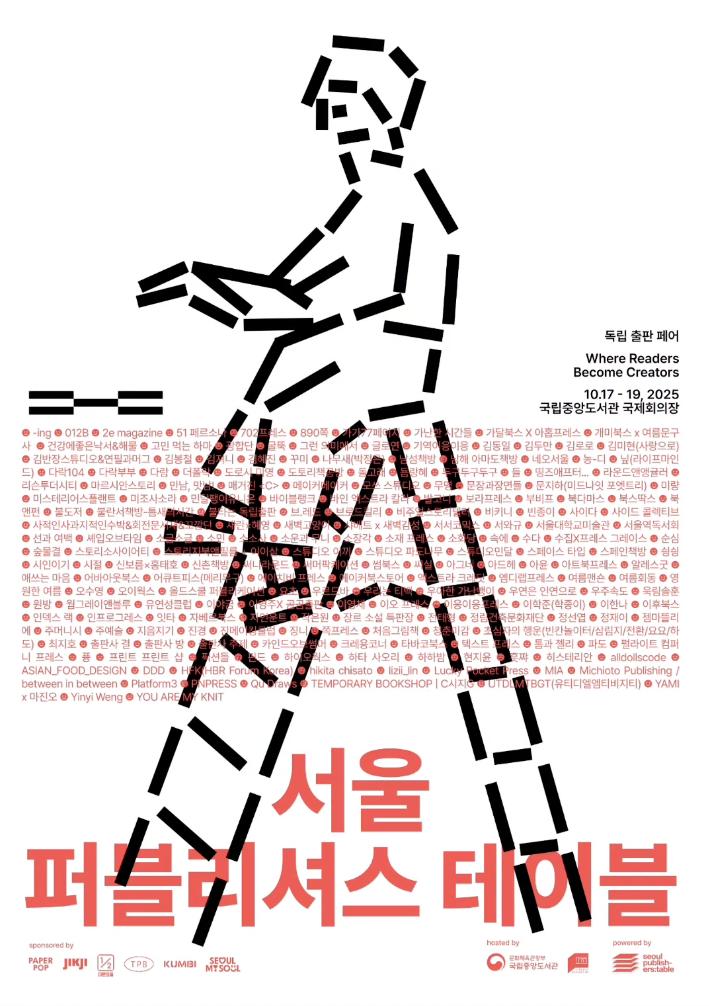
Typography is no longer stable. It breathes, stretches, collides with information, and transforms in real time. Letters vibrate, distort, or glitch as if trapped between one frame and the next, losing stability to gain expressiveness.
In a world moving faster than reality itself, communication becomes unstable. Technological speed distorts our perception and with it, visual language. A new, almost surreal legibility emerges, where words seem to dematerialize and rebuild in real time. They stop being mere content and become a visual experience.
Kinetic Legibility doesn't aim to be understood at first glance. It aims to be felt. It's a typographic language attuned to the rhythm of contemporary perception: accelerated, fragmented, overstimulated.


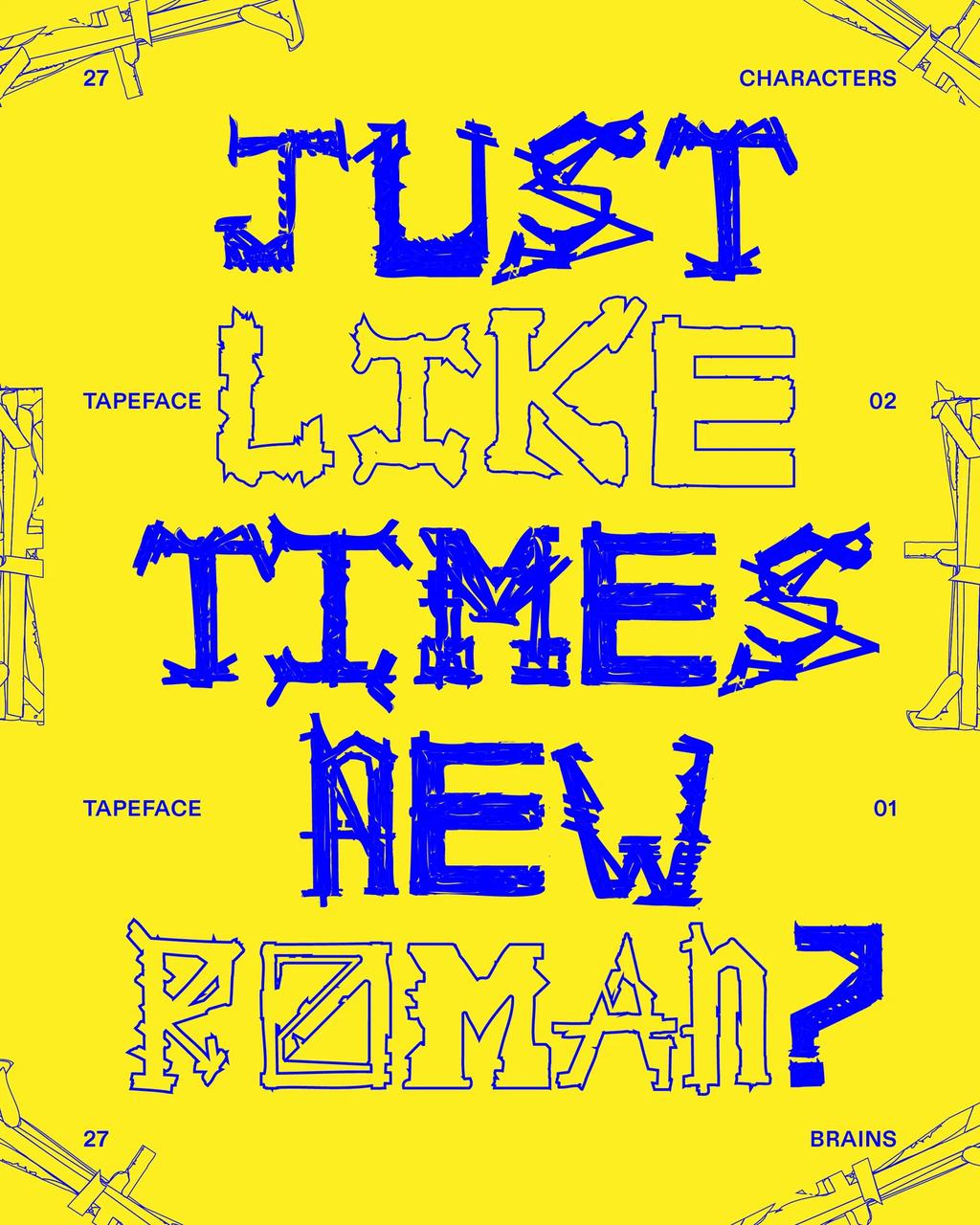


- Prioritizes emotional impact over literal clarity, the typographic form communicates as much, or more, than the word itself
- Imperfection becomes identity: distortion, digital vibration, temporal deformation, surreal, yet functional
- Even when static, its inner motion makes it feel alive, as if constantly shifting beneath the surface
Clinical
Space
Clinical Space is born on the border between the scientific and the surreal, where design begins to resemble functional science fiction. A clean yet unsettling aesthetic: clinical graphics, system interfaces, and technical codes turn into visual matter, seeking to enter a state of emotional precision.
It's a language designed with a scalpel, surgically cold, millimetric, rational, yet crossed by something uncanny. As if technology, in its accelerated evolution, had begun to design without us. Here, the surreal doesn't arise from chaos, but from its opposite: from an excess of control.
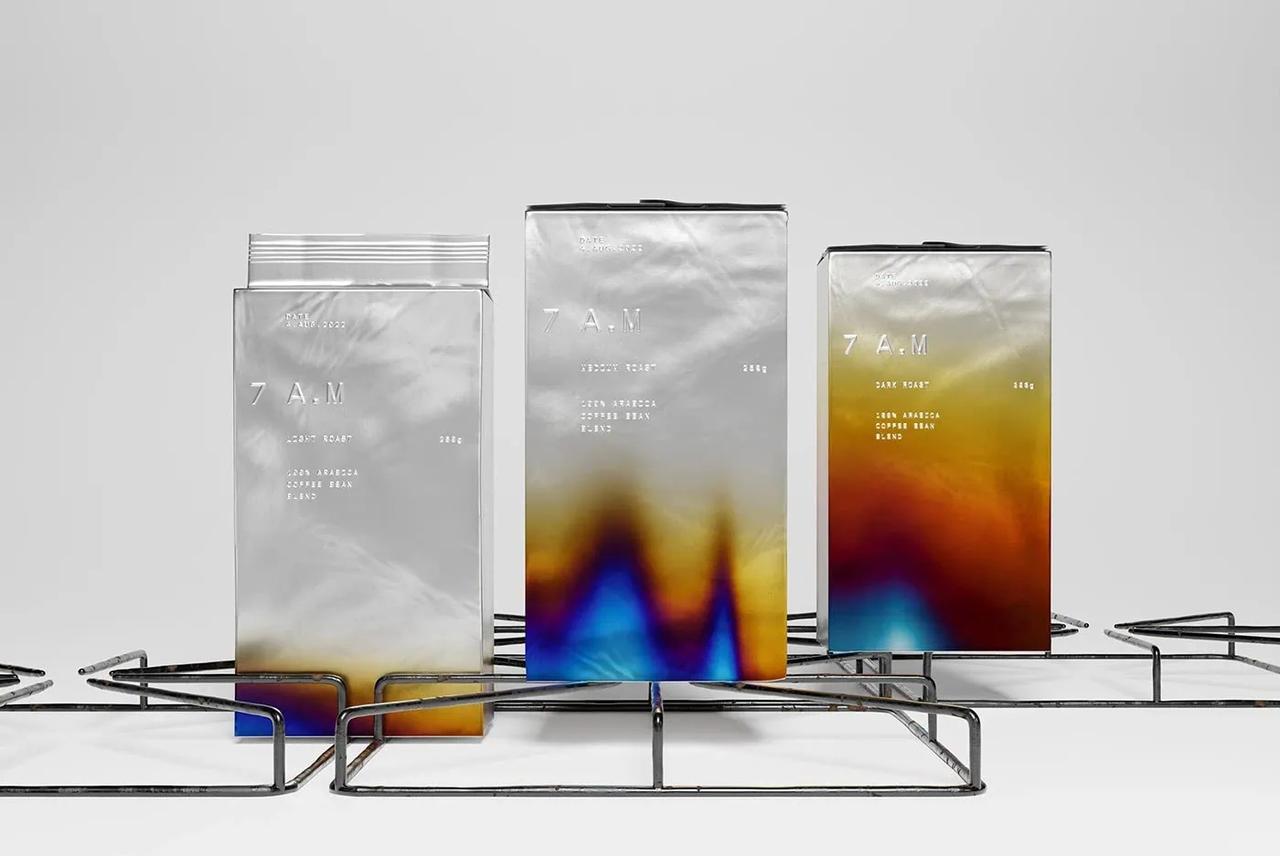
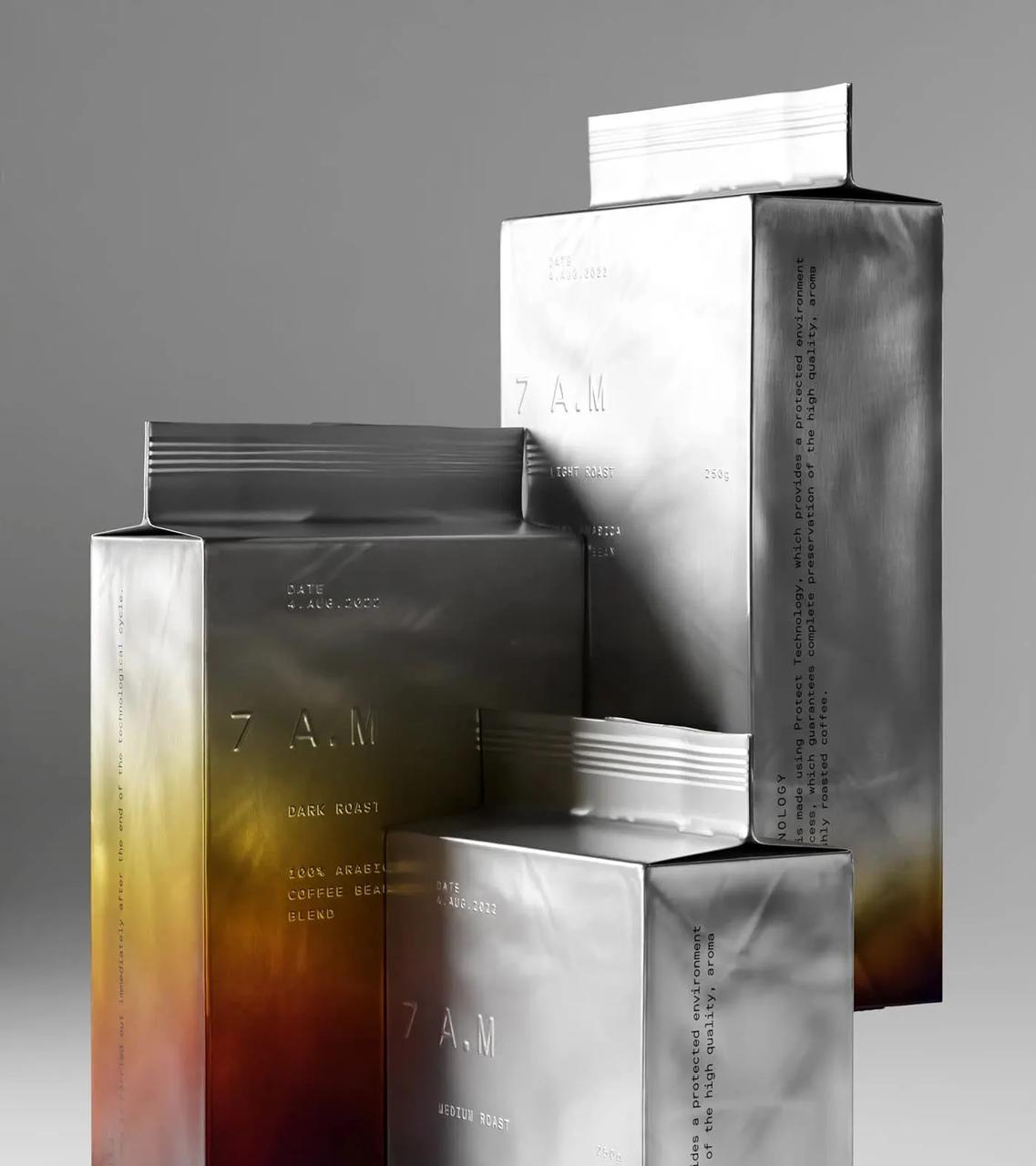




- Not zen minimalism. Clinical minimalism. Clean, cold, calculated. It seeks visual efficiency and an emotional coldness that unsettles
- Negative space stops being background and becomes the protagonist: wide empty areas, restrained compositions, aseptic atmospheres
- A surrealism born from hyperfunctionality: the uncanny doesn't arise from excess, but from an excess of precision
Radiation
Poetry
Radiation Poetry takes its cue from the visual language of energy itself: electromagnetic fields, heat maps, sonar pulses, and the invisible forces that surround us made suddenly visible. Gradient halos, radial compositions, pulsating color fields, and glowing auras define this aesthetic.
Where Clinical Space is cold and controlled, Radiation Poetry is warm and expansive. It finds beauty in the representation of invisible phenomena: light bending around objects, energy fields emanating from centers, the visual poetry of physics made manifest in design.




- Translates the invisible forces of physics and energy into visible, emotionally resonant form
- Radial compositions and gradient fields create a sense of emanation, presence, and warmth
- Bridges the scientific and the spiritual: energy visualized as both data and emotion
Intrusive
Imagination
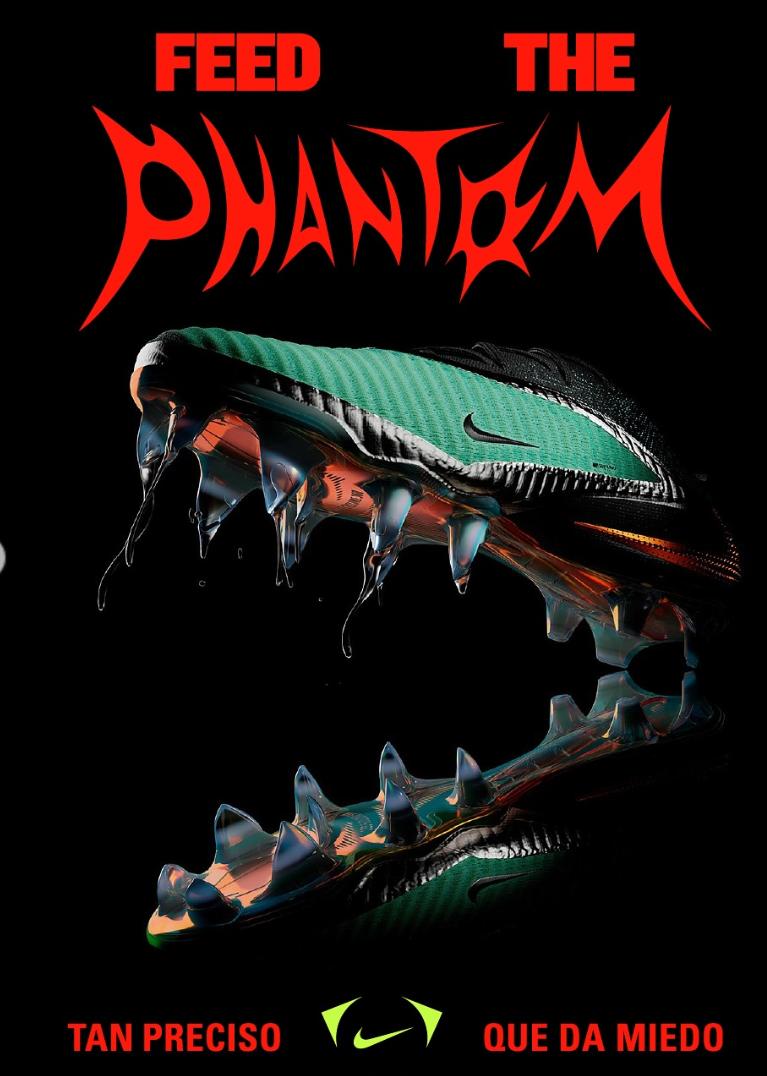
Intrusive Imagination describes the aesthetic collision between the rational and the fantastical, where hyper-realistic renders are punctuated by impossible elements, where photographic spaces contain objects that cannot exist, where the boundary between documentation and dream is intentionally blurred.
This is surrealism in the age of AI: not the painted dreamscapes of Dalí, but the computational juxtapositions of a generation raised on visual everything. The intrusion is the point, the moment where reality accepts the impossible without flinching.


- The juxtaposition of the hyper-real and the impossible creates a productive visual unease
- AI tools have democratized the creation of surrealist imagery, changing who can produce and consume it
- The intrusion of the impossible into realistic space asks: what is real, and who decides?