Reclaimed
Nostalgia
The past as raw material for the future.
Today, nostalgia is not about looking back with melancholy, but about using the past as raw material. Old aesthetics are no longer imitated. They are cut, pasted, and re-signified into a new language.
The old and the contemporary coexist in a temporal contrast that creates both tension and freshness: the retro poster digitally oversaturated, the classic typeface used in ironic contexts, the cultural archive remixed for an infinite scroll.
By reclaiming the old, design does not move backward, it moves forward with memory, building futures that carry the traces of the past.
- 01 Analog Futures ↓
- 02 Acid Nostalgia ↓
- 03 Techno Pop Clarity ↓
- 04 Timeless Icons ↓
- 05 Cultural Archives ↓
- 06 Artistic Echoes ↓
- 07 Future Relics ↓
Analog
Futures
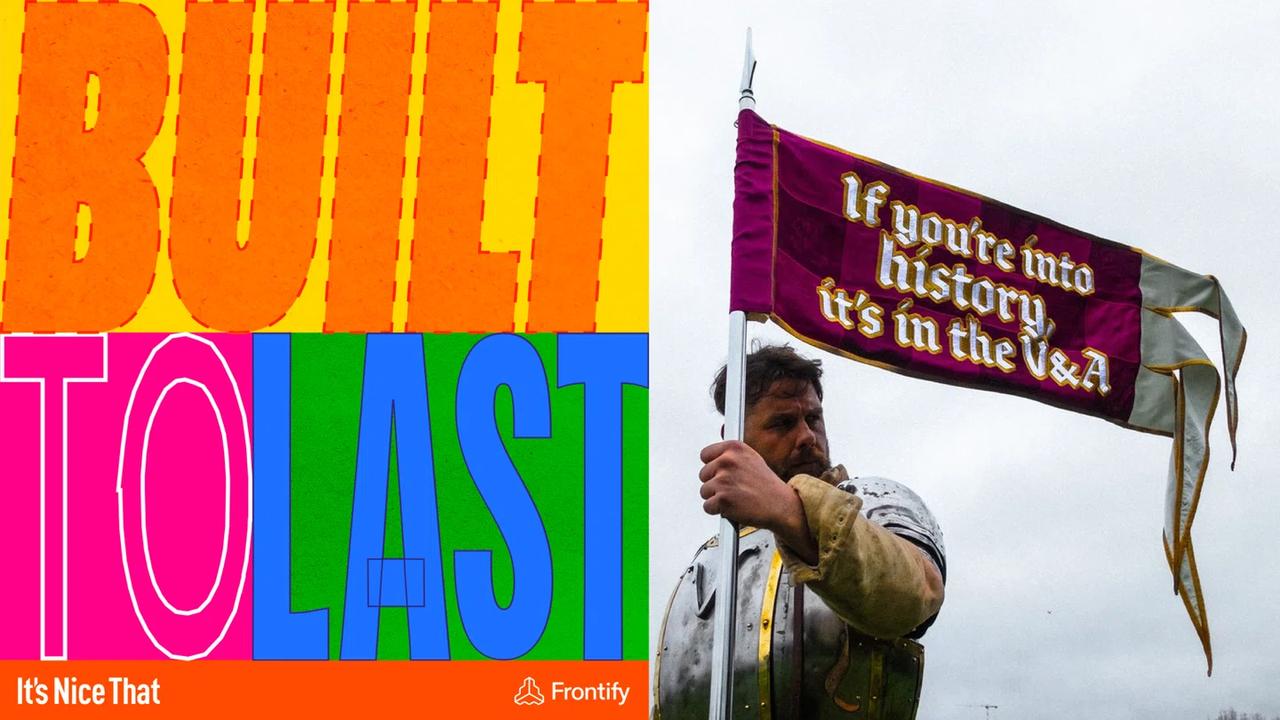
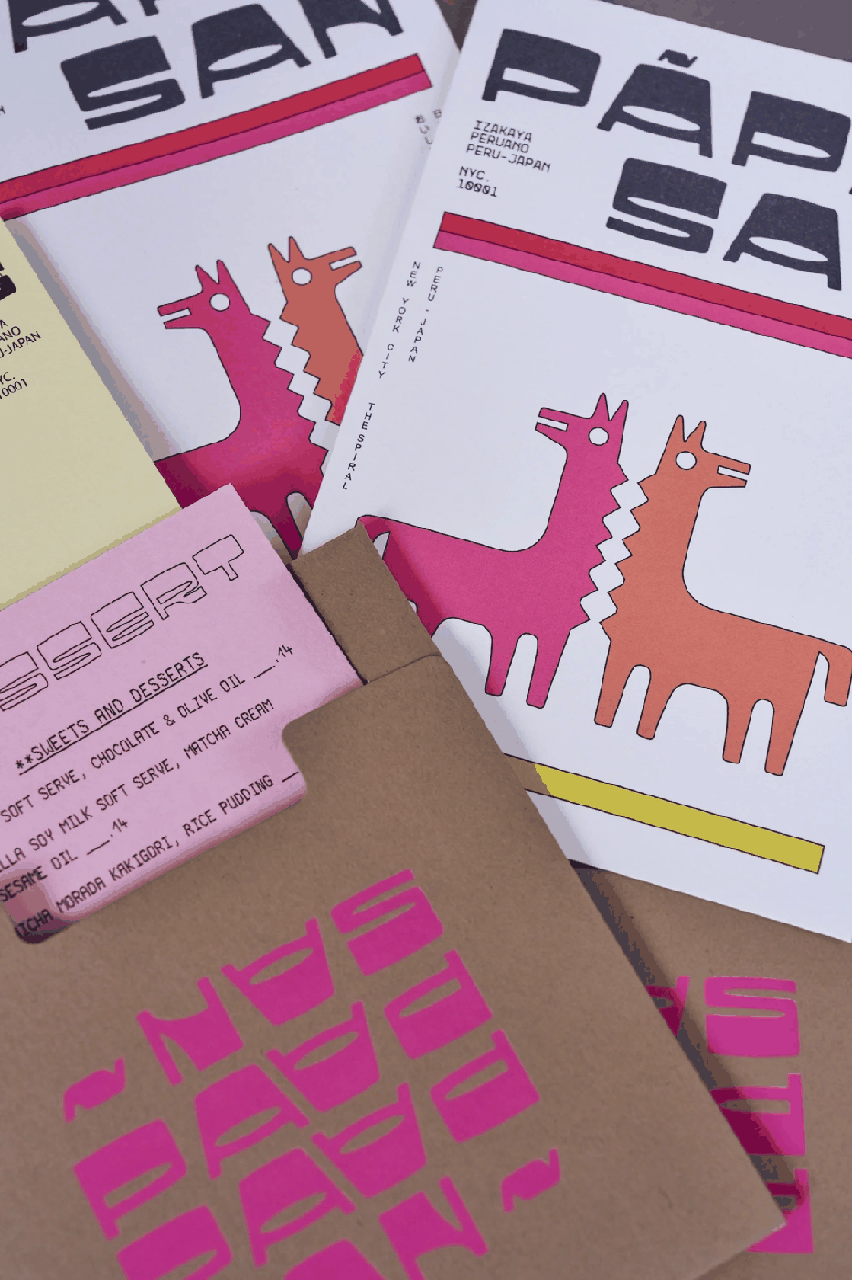
Analog Futures is not about a simple retro revival, but about revaluing analog aesthetics within contemporary contexts. Catalog typefaces, photocopy textures, printing marks, and dusty archives merge with clean interfaces, digital renders and minimalist compositions. These elements are elevated into a form of aesthetic luxury, gaining new cultural value.
Here, nostalgia is not an anchor to the past, but a way of moving forward with memory. Printed objects, flyers, catalogs, and fanzines are reclaimed as cultural artifacts that engage in dialogue with the digital age. Analog Futures is a future with paper memory: a bridge where the old does not return but is re-signified to chart the way ahead.


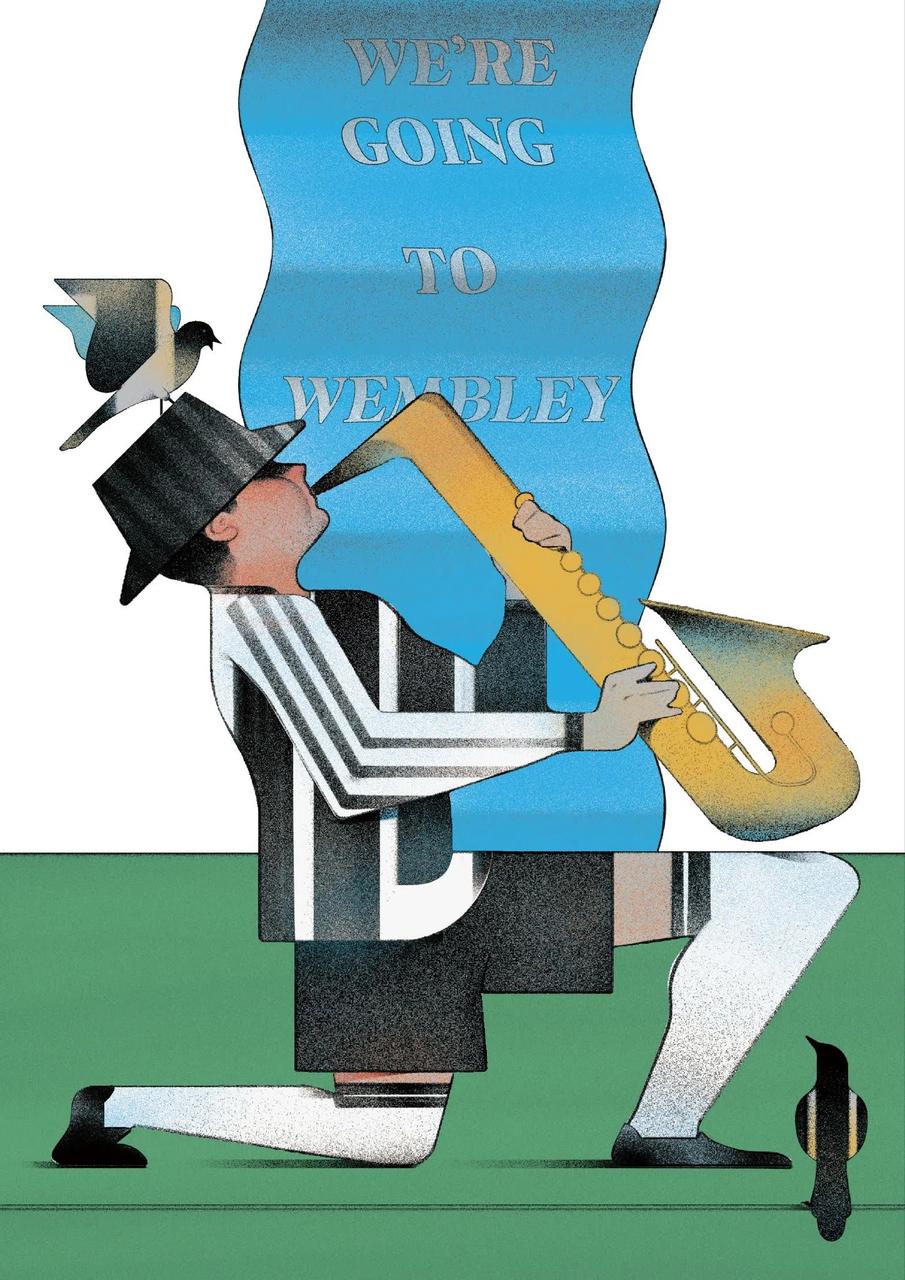


- Design as object: invitations, book covers, printed catalogs, and physical magazines are revalued as artifacts, what was once ordinary now becomes a form of luxury
- Temporal palettes: faded beige, editorial blues, vintage flat inks, printing reds, and graphite-like blacks, colors of print and paper reinserted into contemporary context
- Archival value: the once obsolete, flyers, posters, catalog typefaces, now carries strong aesthetic and cultural weight
Acid
Nostalgia
The psychedelic past returns, not as a literal revival, but distorted and amplified through digital tools. Acid speaks to an aesthetic that borrows the trippy visuals of the 60s–70s (fractals, repetitions, kaleidoscopes) and brings them into a contemporary plane: overlays, glitches, neon palettes, and impossible saturations that analog once couldn't achieve.
It's a two-way trip: vintage imagery subjected to psychedelic filters, retro posters reworked into infinite motion loops, classic typefaces expanding into hypnotic spirals. Nostalgia turns vibrant here, celebrating graphic and visual excess as if the memory itself were pushed until it blurred.


- Blends psychedelic aesthetics of the 60s–70s with visual techniques that were impossible back then (loops, glitch, extreme saturations)
- Uses analog imagery as raw material for visual experimentation in a post-internet environment
- Seeks not clarity, but sensory immersion and perceptual overload
- Connects with young creators who never lived the 60s–70s, but rediscover them through digital platforms and cultural remix
Techno Pop
Clarity
In this aesthetic, technology and pop meet at a new point of balance. While in the 2000s the digital was imagined through saturated shines, overloaded interfaces, and a futurism that now feels naïve, in 2025 that same energy returns filtered by today's search for order and purity. Saturation is controlled, luminosity is refined, the bright coexists with the simple.
Clarity becomes an aesthetic value: geometric, minimalist typefaces replace crowded alphabets; vibrant palettes are paired with expansive whites and clean compositions. The result is a visual language that preserves the optimism of pop and the details of technology, but with a refined approach, where expressiveness lies not in excess but in sharpness.


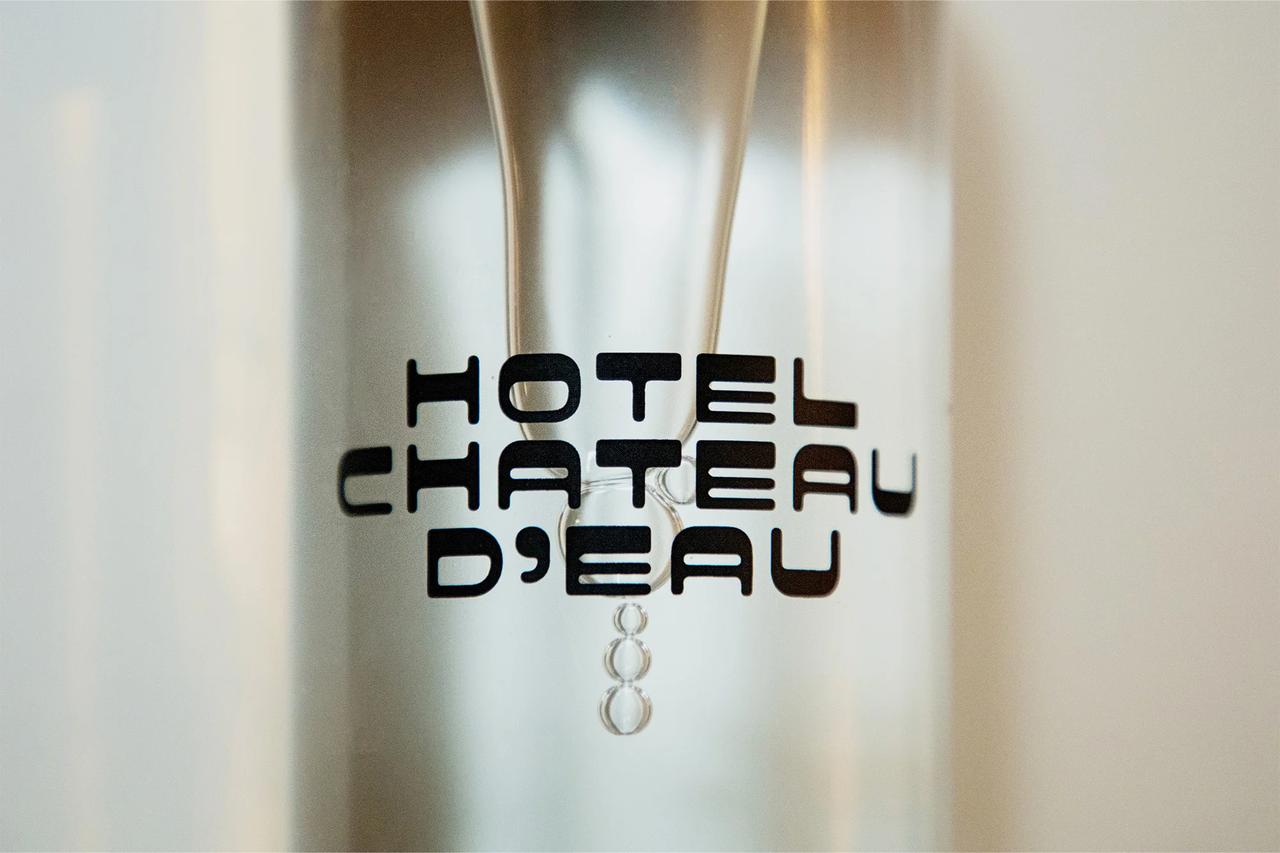


- It rescues the playful and chromatic energy of the early-2000s technological imaginary, but stripped of excess
- Clear surfaces, geometric sans typefaces, and spacious layouts that allow color to breathe
- Where tech-pop once meant saturation and overload, today it translates into precision, sharpness, and transparency
Timeless
Icons
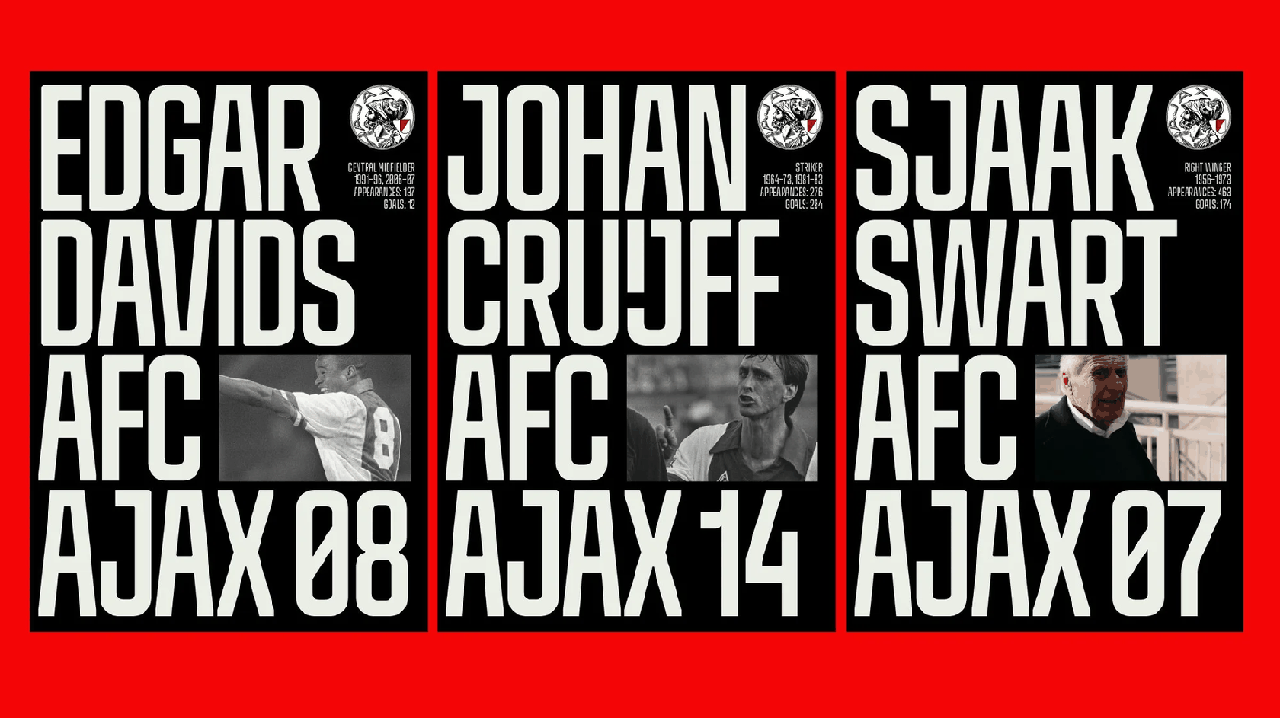
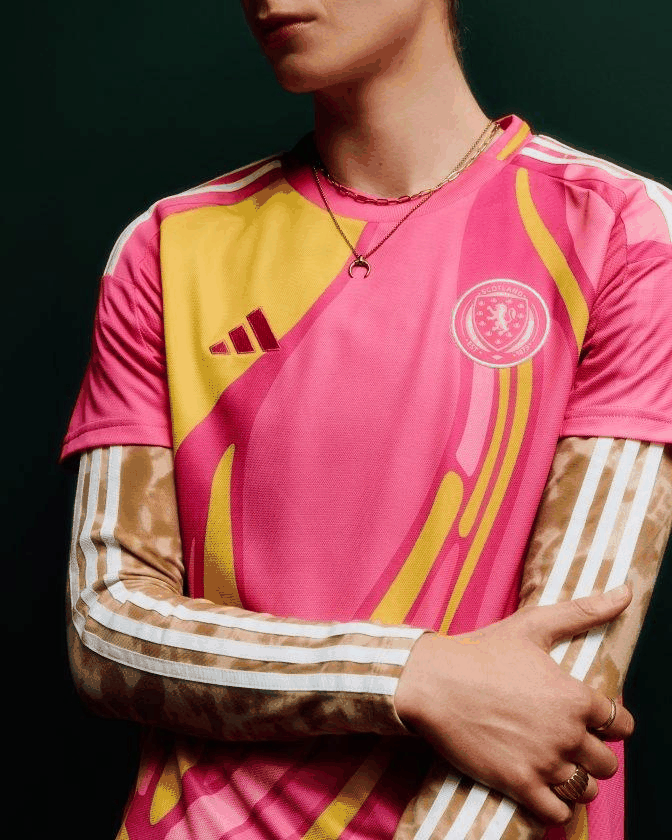
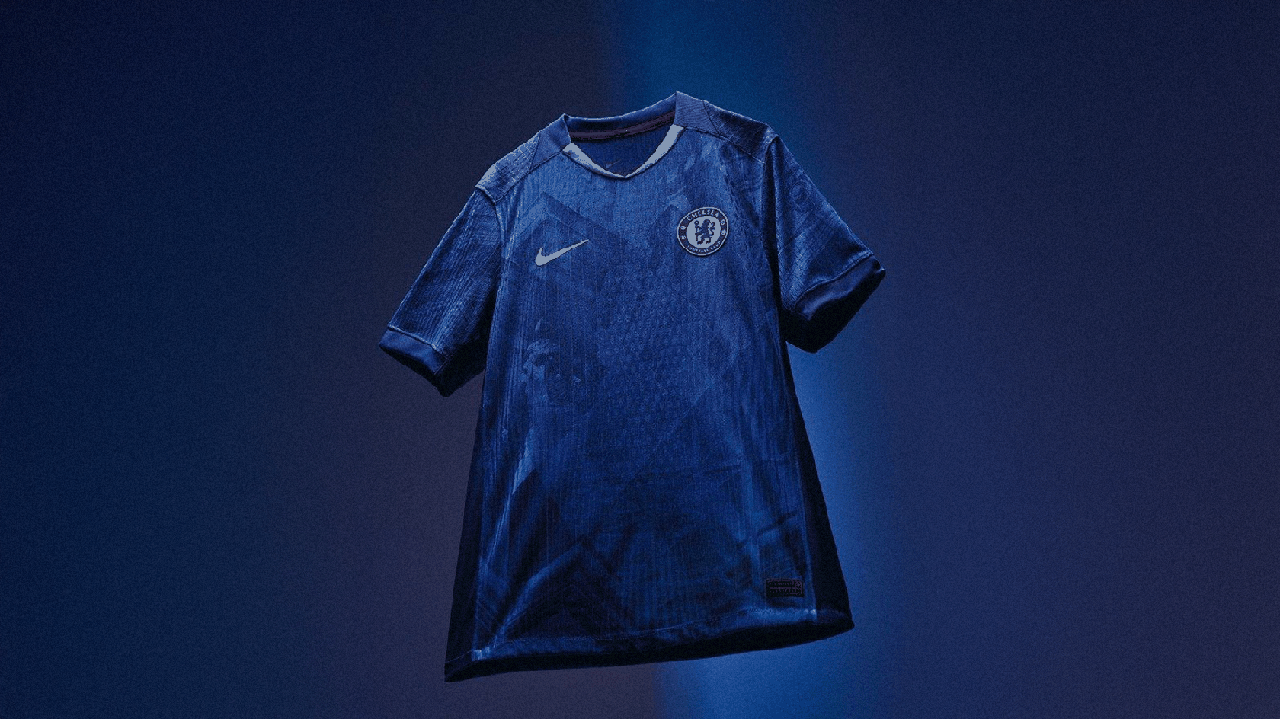
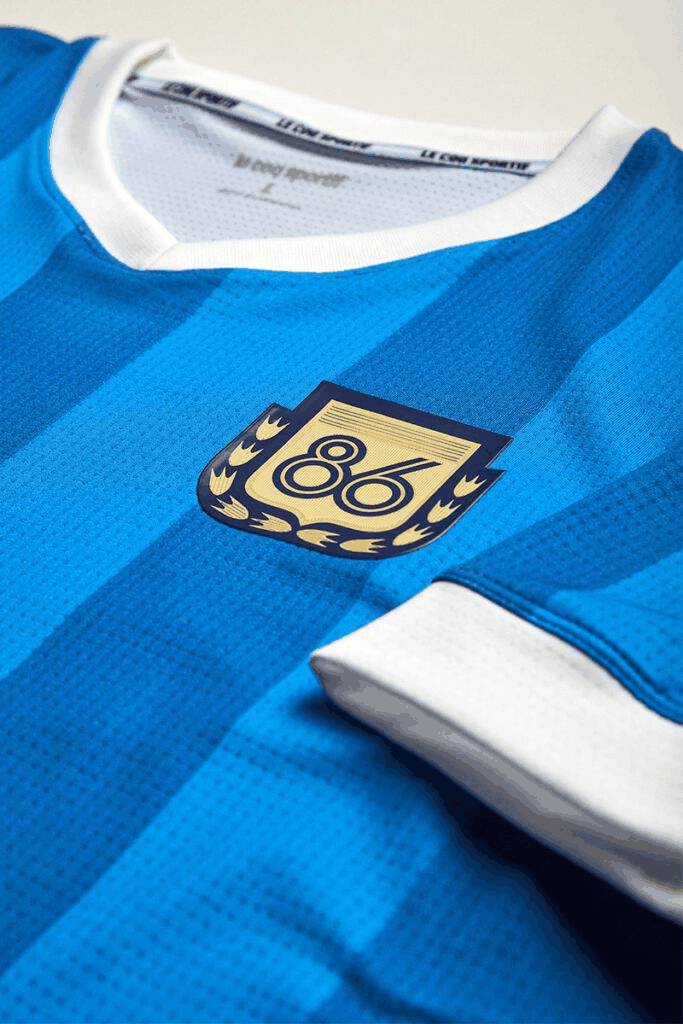
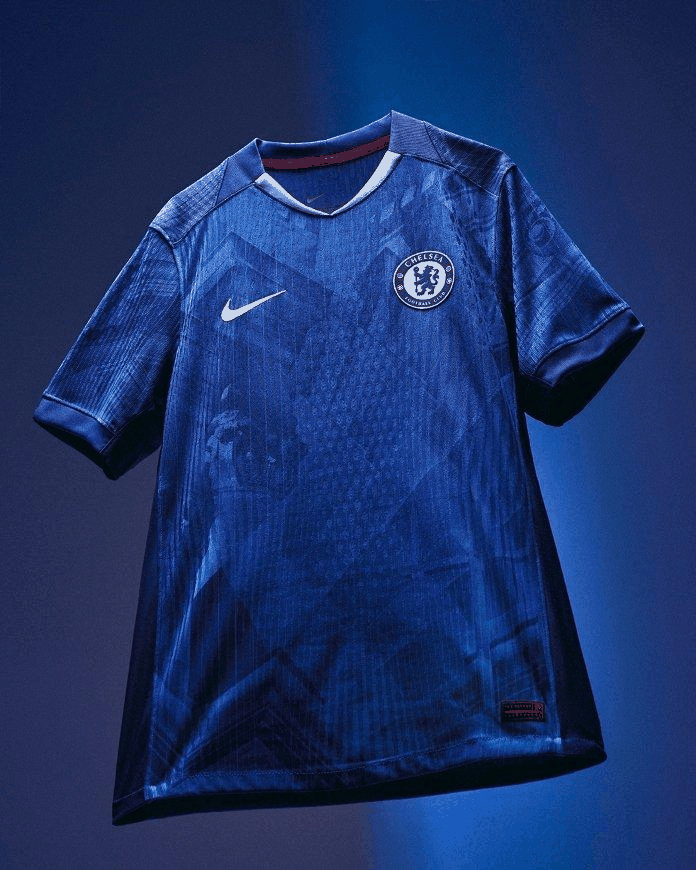
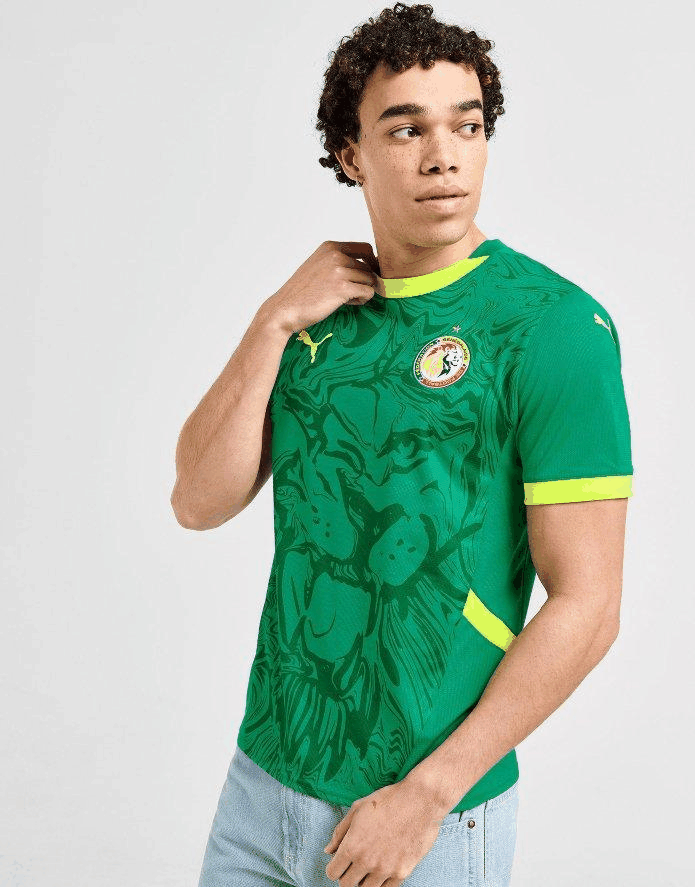
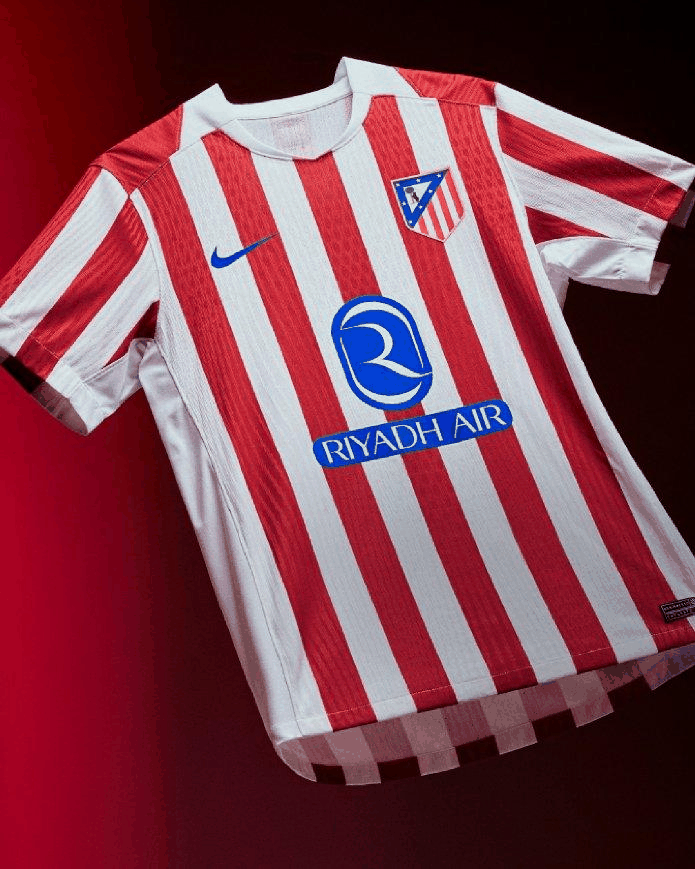
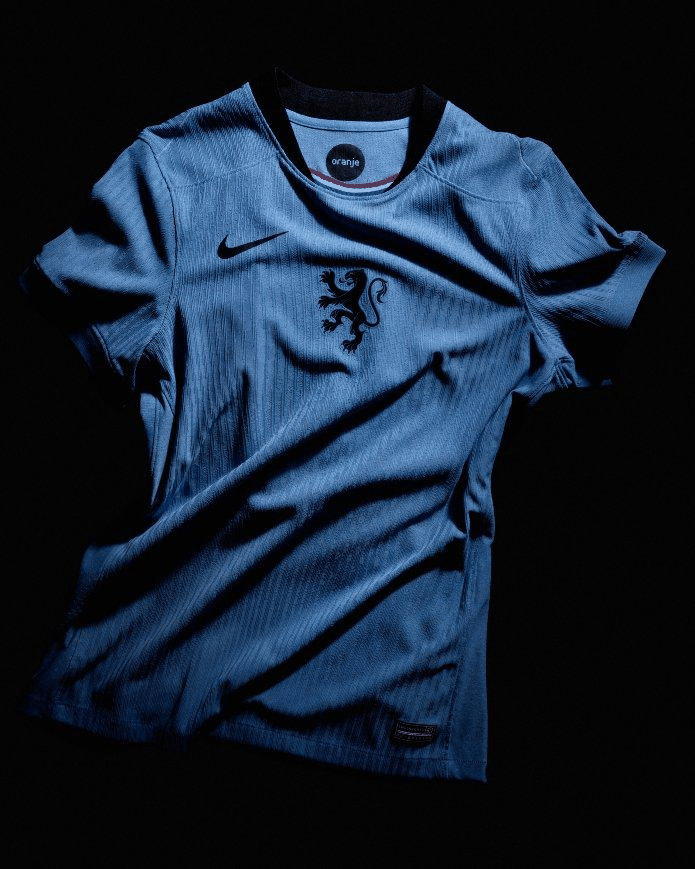
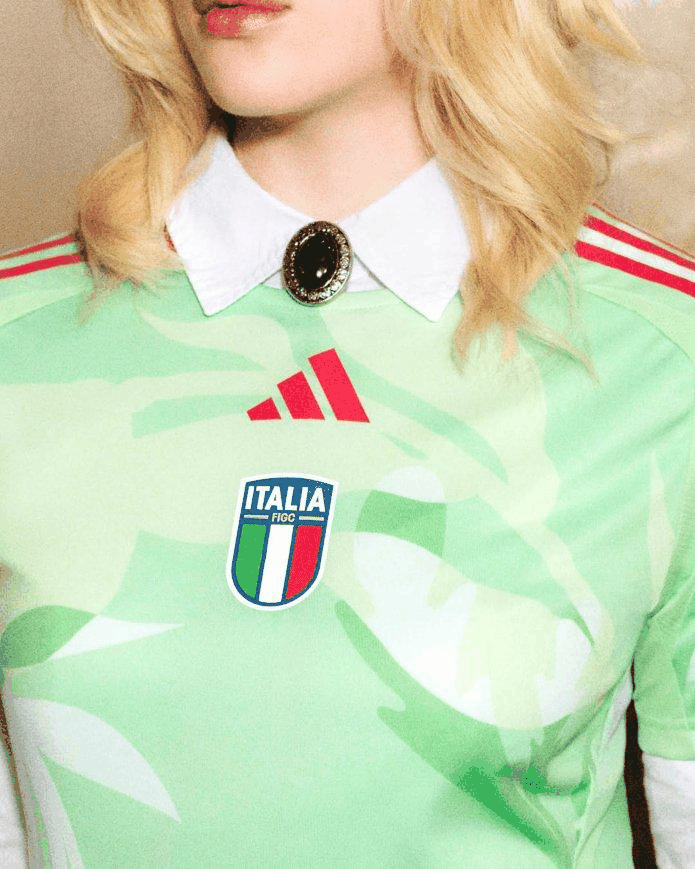
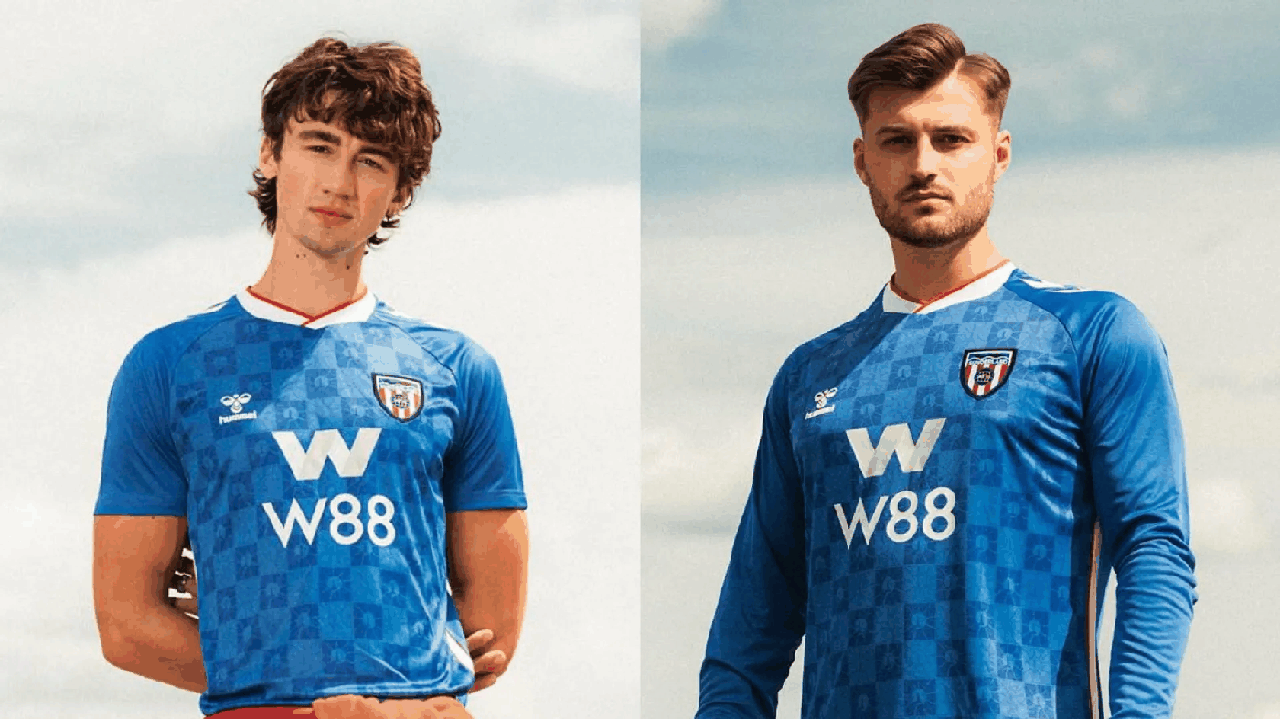
Some visual symbols transcend their era. Timeless Icons explores how certain graphic elements: logos, mascots, emblems, typographic marks, carry cultural weight across decades, and how designers are intentionally invoking this quality of permanence in contemporary work.
This trend manifests in the revival of classic sports graphics, institutional emblems, and heritage brand aesthetics, but also in the deliberate creation of new marks designed to feel as if they've always existed. The goal is to build trust and emotional resonance through the visual language of the enduring.


- Heritage aesthetics signal quality, trust, and longevity in an era of disposability
- The deliberate use of 'classic' visual grammar as a contemporary strategy
- Builds emotional connection through familiarity and cultural memory
Cultural
Archives
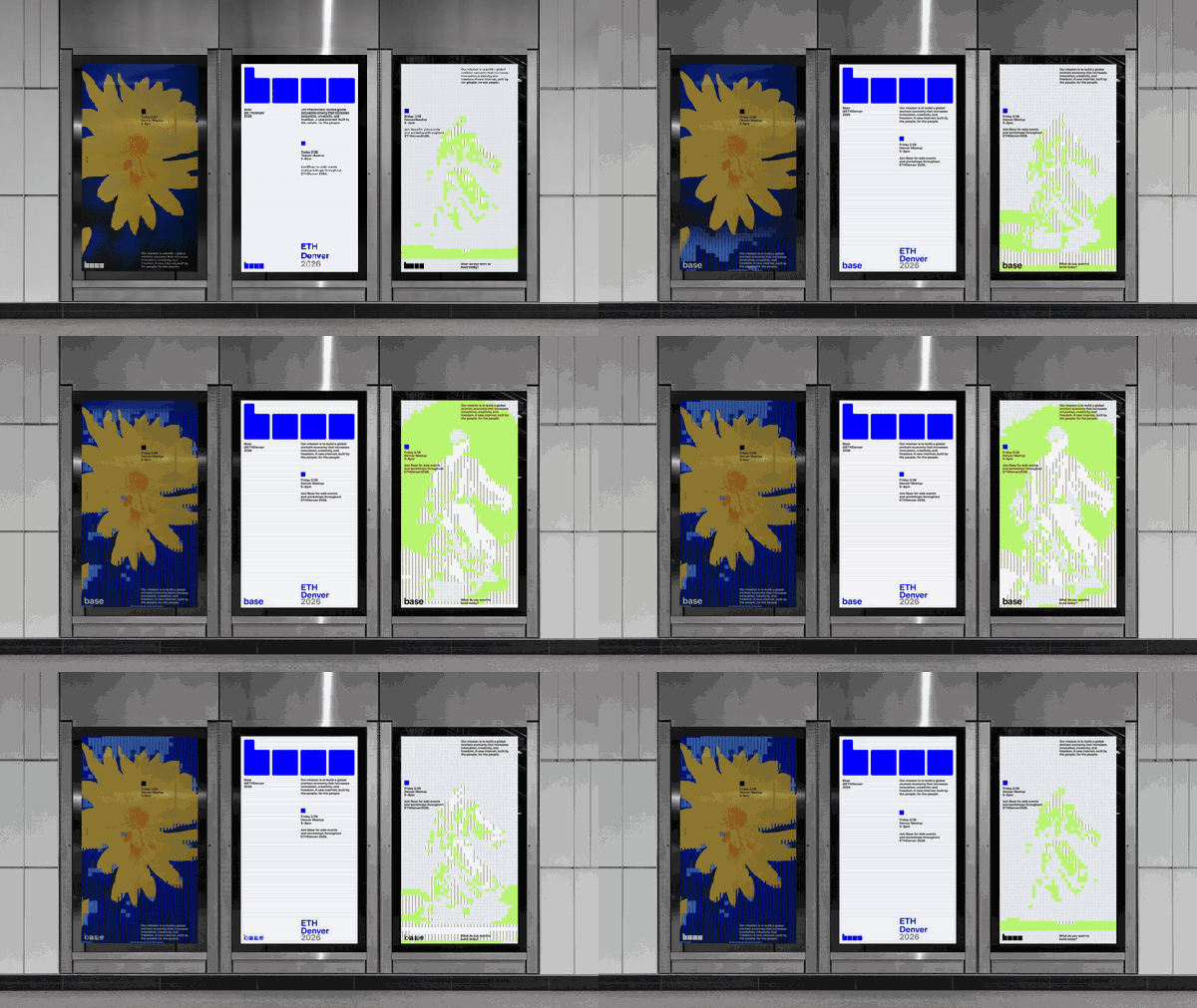
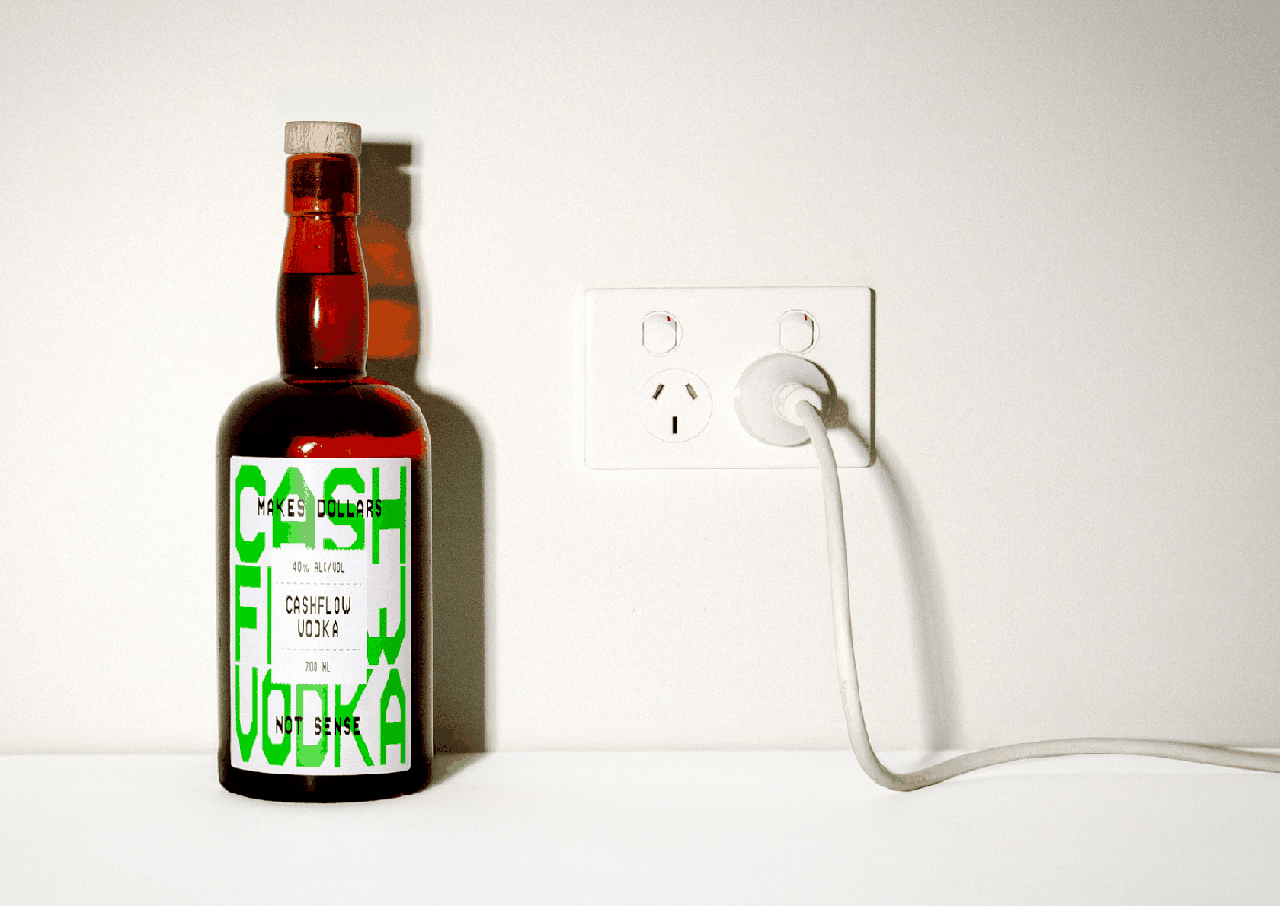
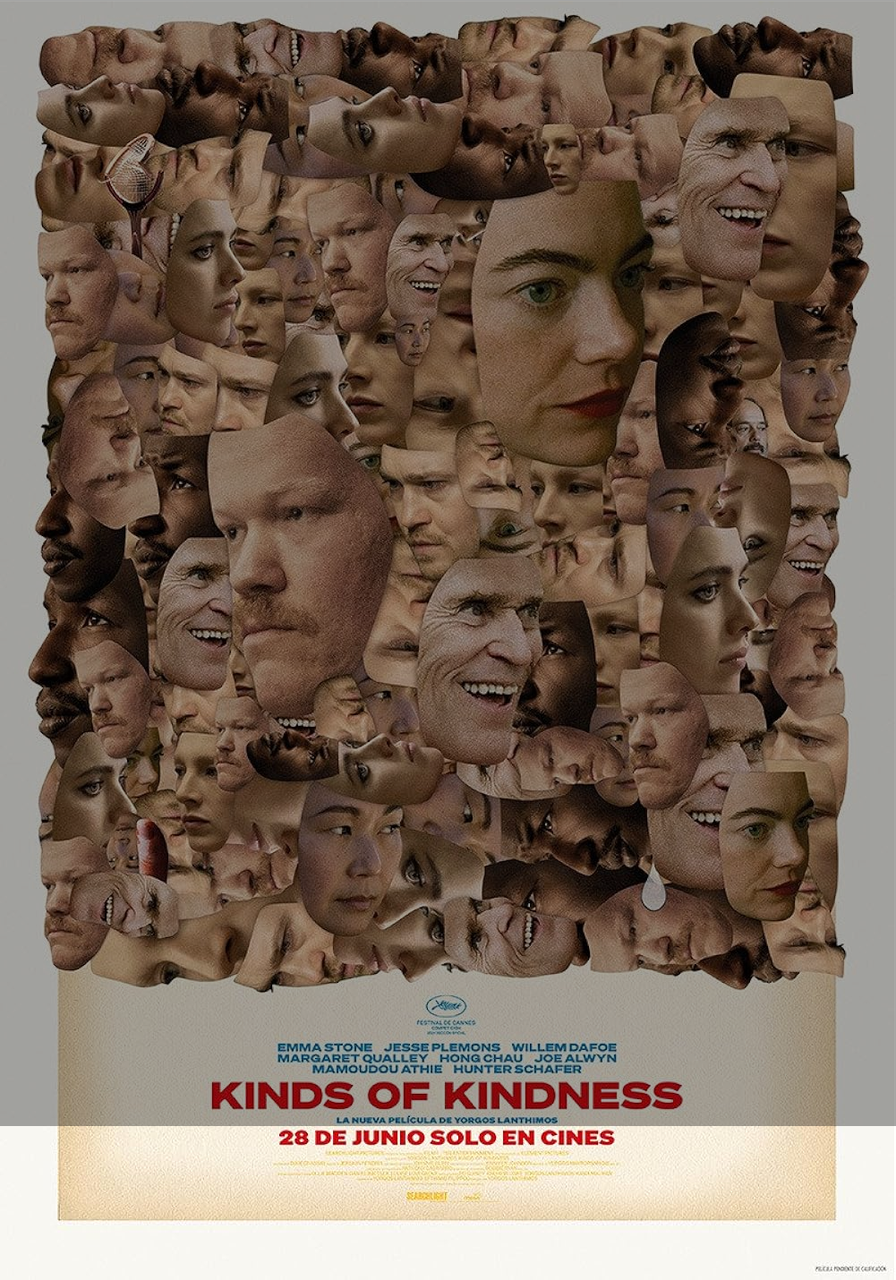
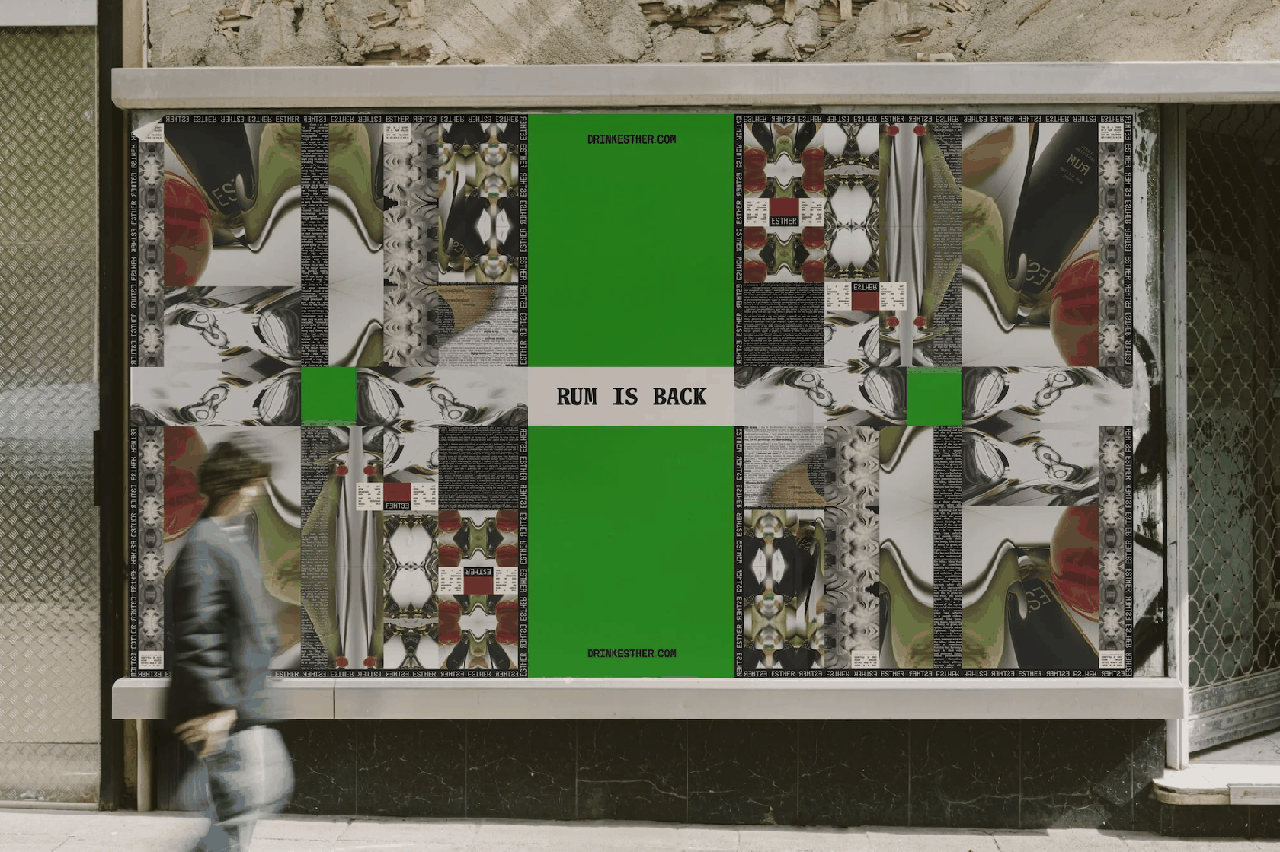
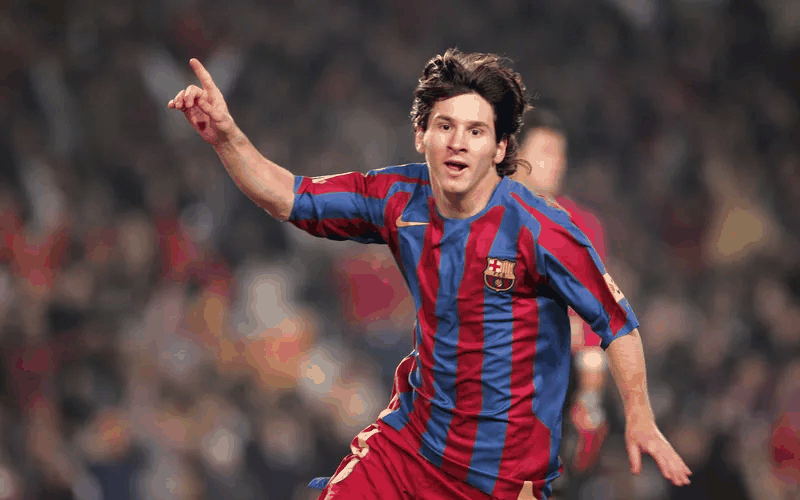
The internet has made every cultural moment retrievable. Cultural Archives explores how designers are mining digital and physical archives, from newspaper front pages to vintage advertising, from documentary photography to public domain artwork, as source material for contemporary visual communication.
This is not mere sampling. It's a form of visual scholarship: the careful selection, contextualizing, and re-presentation of archival material to speak to present-day concerns. The archive becomes a living resource, not a museum.


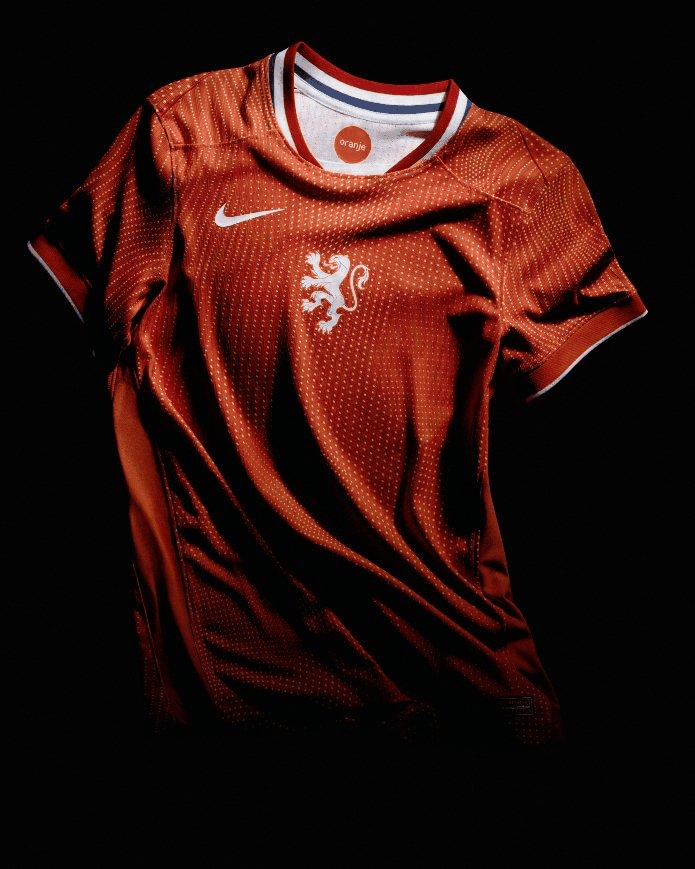
- The internet has democratized access to the entire visual history of human culture
- Archival material carries an implicit authority and historical weight that original work cannot easily replicate
- Creates meaning through juxtaposition: placing historical material in new contexts generates new readings
Artistic
Echoes
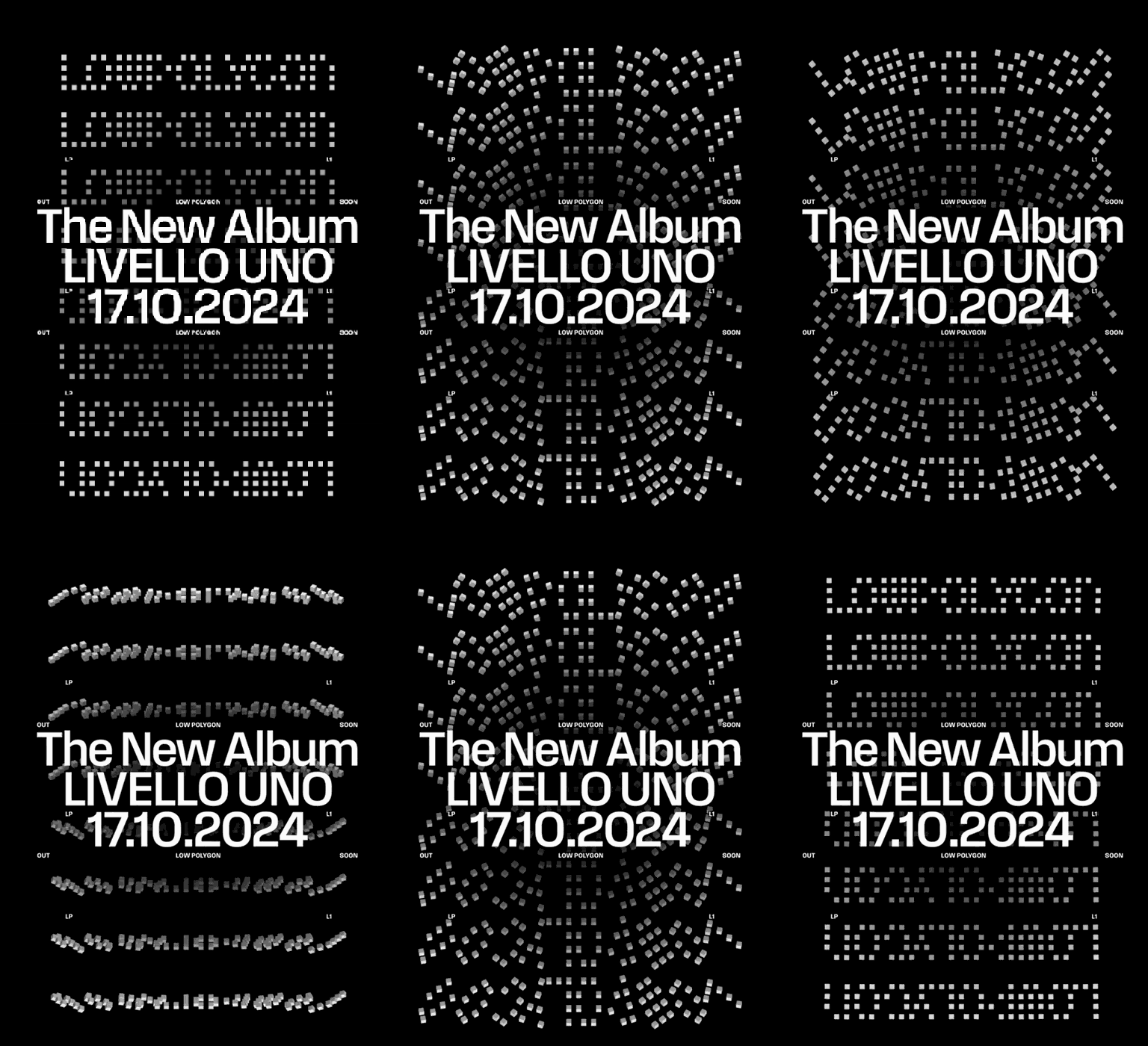
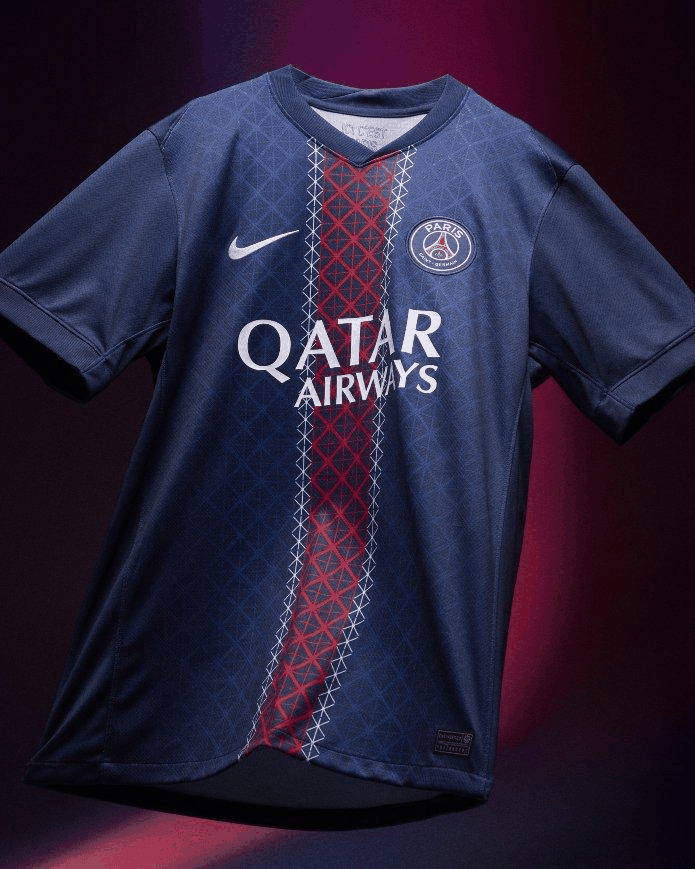
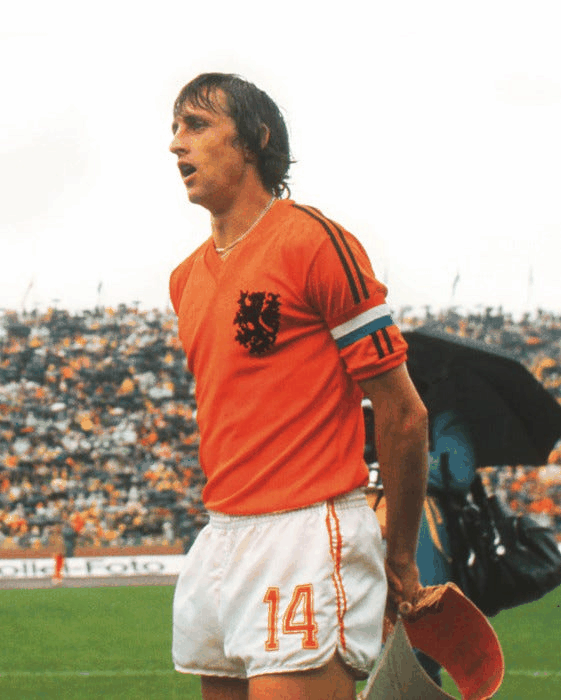
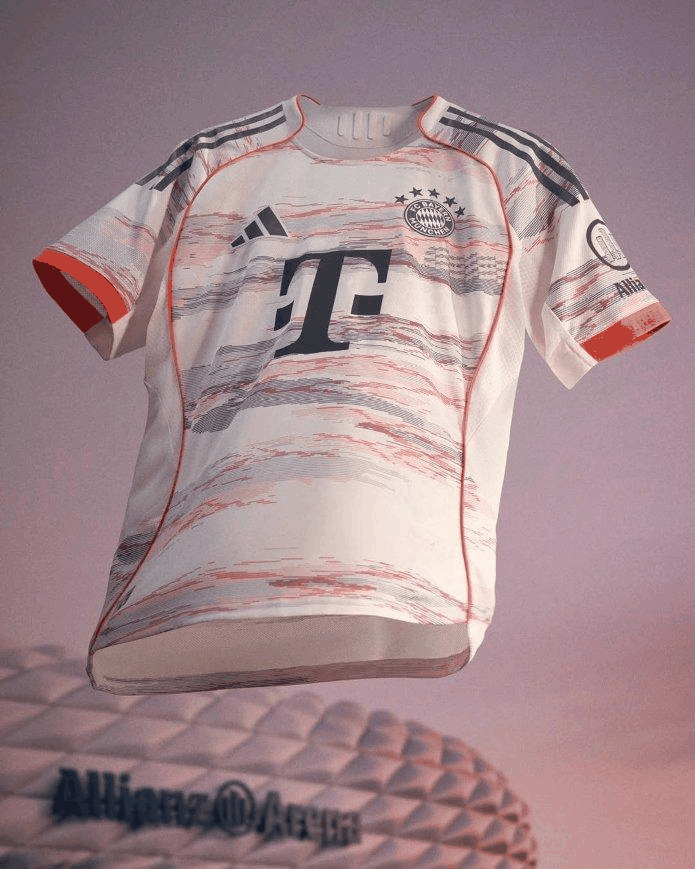
Contemporary designers are in active dialogue with art history. Artistic Echoes traces how specific visual movements, Bauhaus, Constructivism, De Stijl, Dadaism, Pop Art, are being selectively quoted, remixed, and transformed in current design practice.
This is not pastiche. The references are precise, knowing, and often ironic. A Bauhaus grid system applied to a fast-food menu. Constructivist typography used for a music festival poster. The art historical reference becomes a tool for lending depth, context, and visual intelligence to contemporary communication.
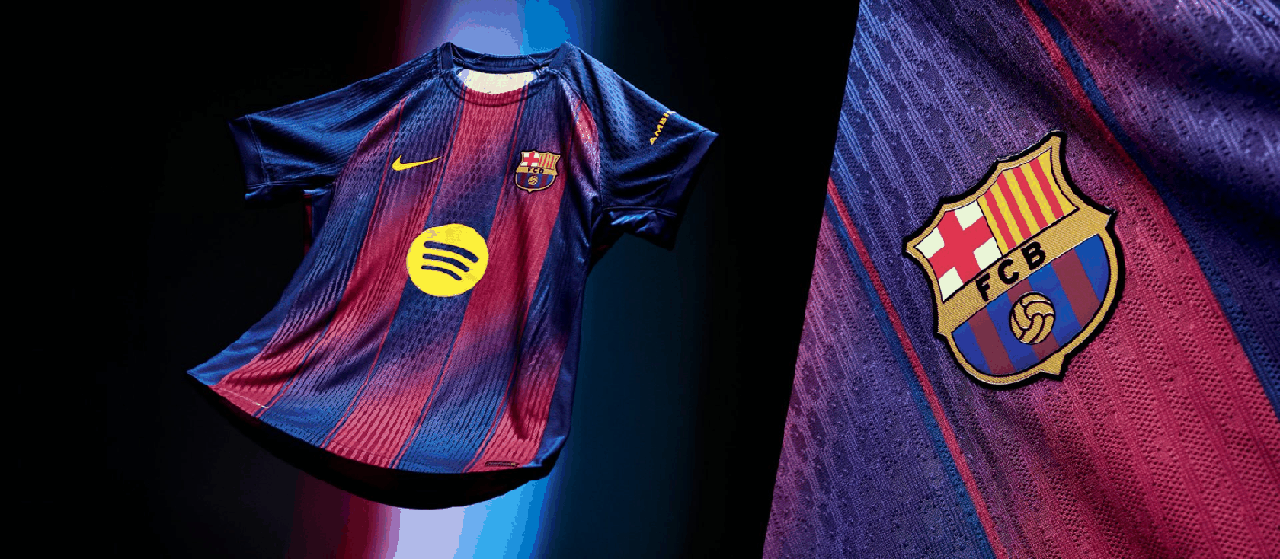
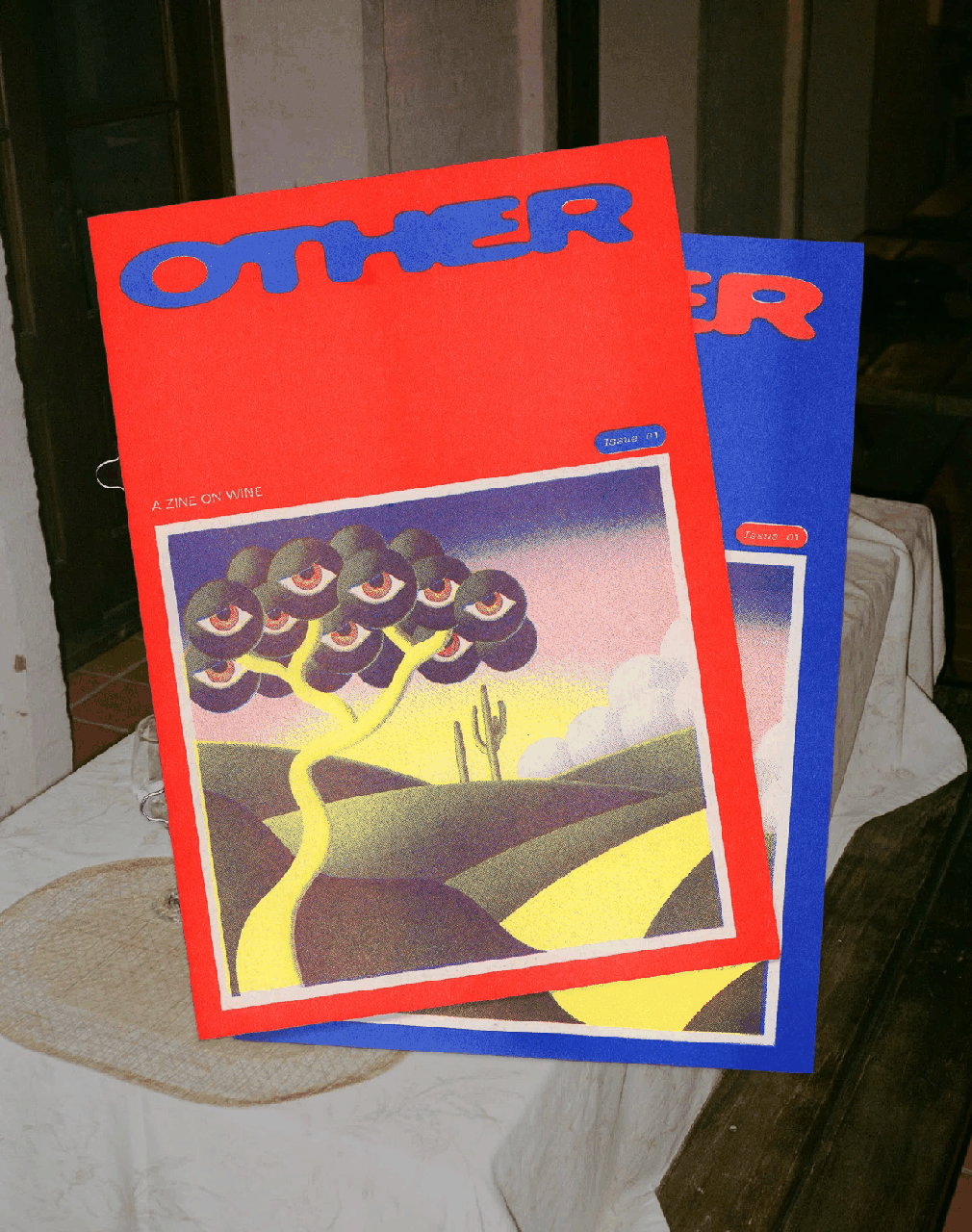
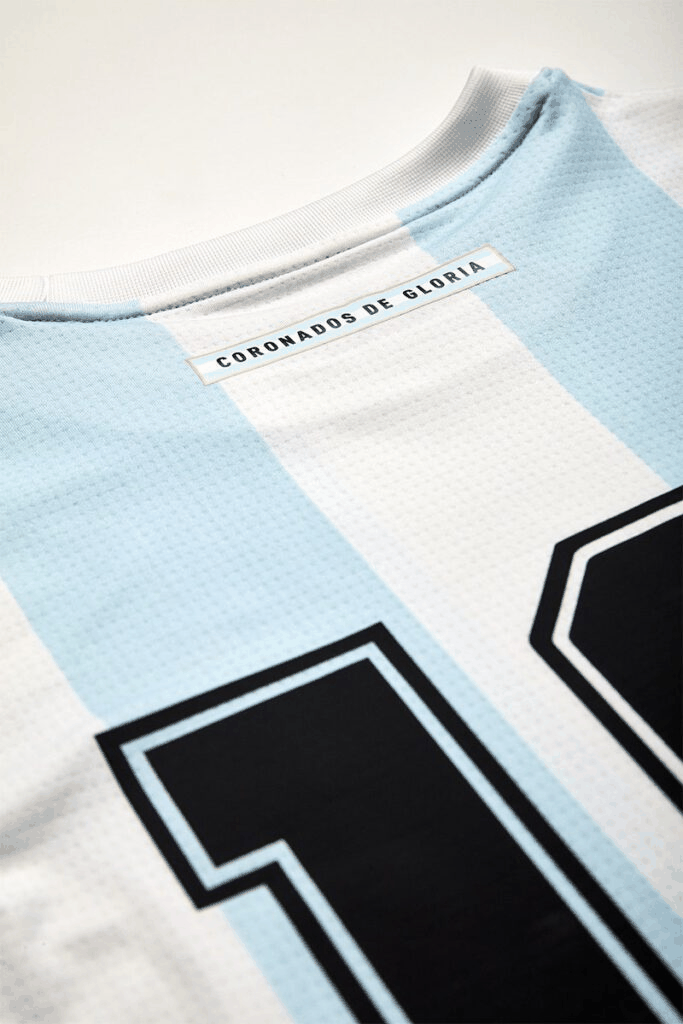


- Demonstrates visual literacy: the ability to read and speak the language of art history
- Creates layers of meaning that reward the visually educated viewer
- Provides proven compositional frameworks adapted for new contexts and audiences
Future
Relics
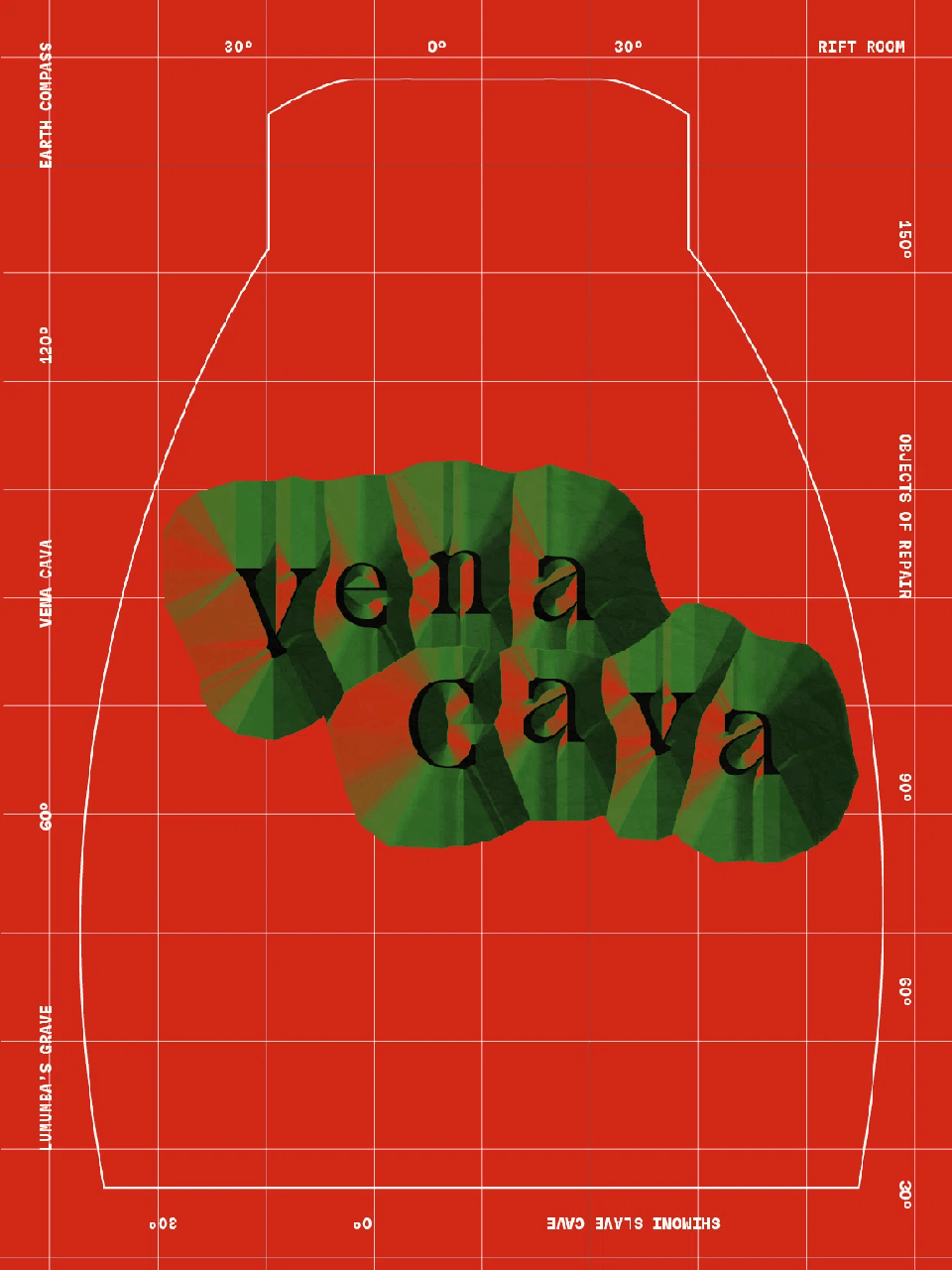
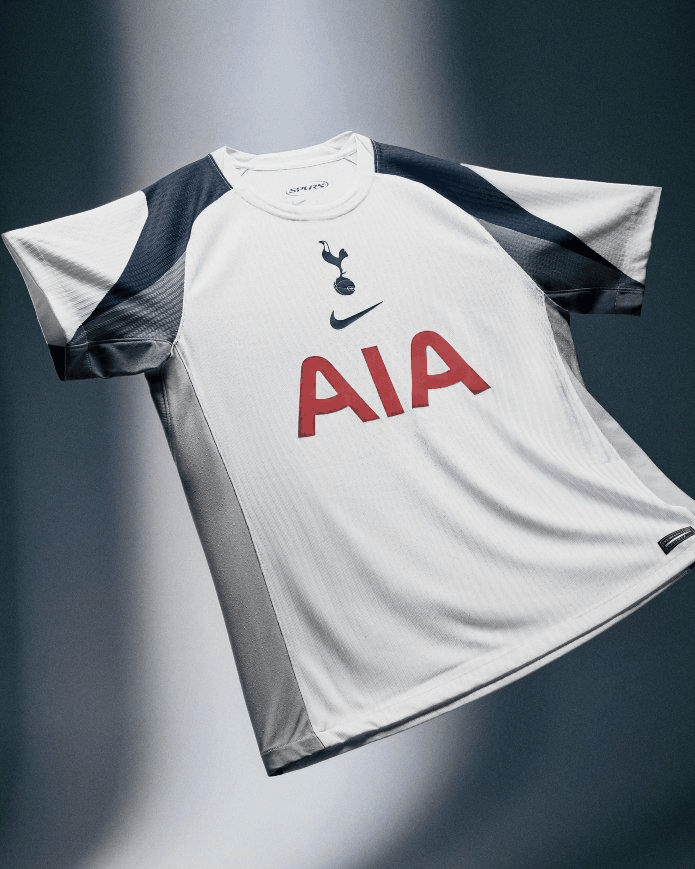
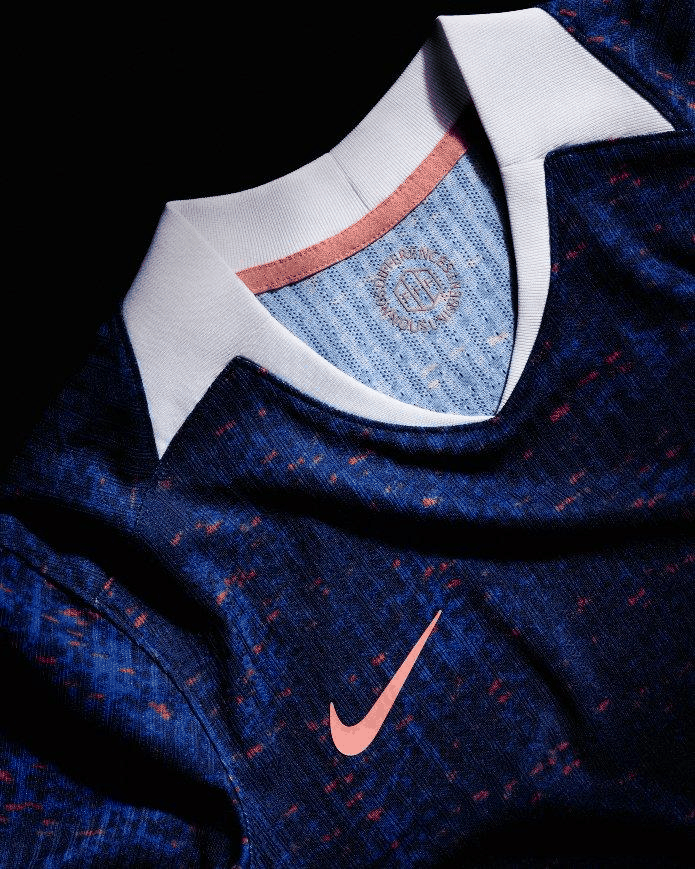
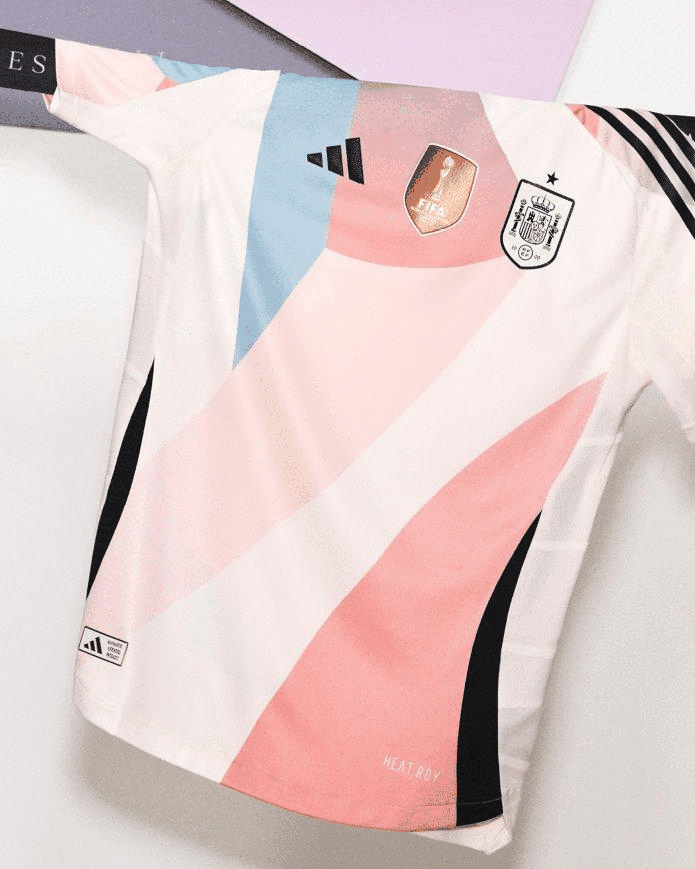
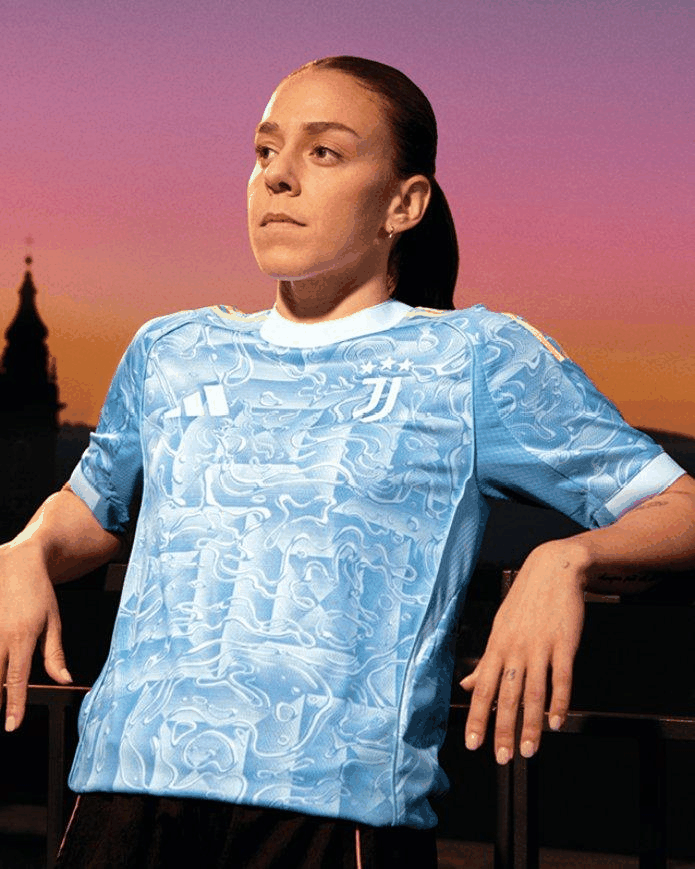
Future Relics imagines objects, artifacts, and visual systems from a future we haven't yet reached. Influenced by speculative design, science fiction aesthetics, and retro-futurism, this trend creates visual languages that feel simultaneously advanced and weathered, as if discovered rather than designed.
Distressed textures applied to hyper-technological forms. Alien alphabets used as decorative systems. Objects that appear to have histories they cannot yet have. Future Relics finds its poetry in temporal paradox: the ancient future, the worn new.


- Creates intrigue through visual contradiction: the advanced and the worn, the new and the ancient
- Science fiction aesthetics filtered through the language of archaeology
- Invites viewers to construct narratives around the artifacts presented